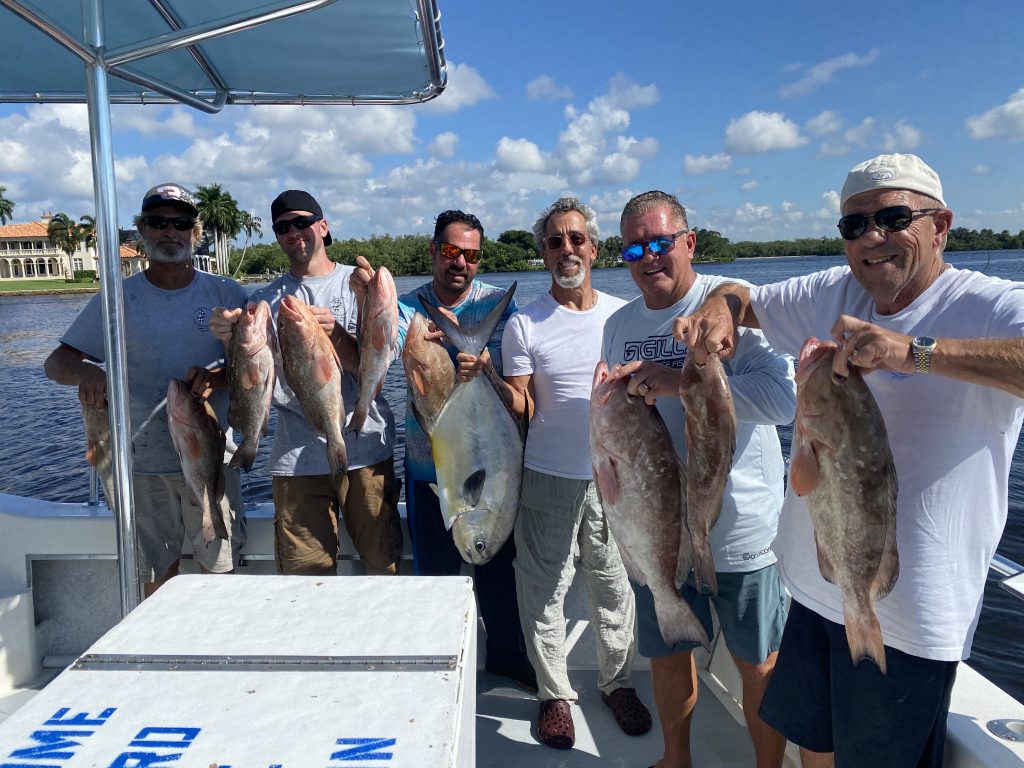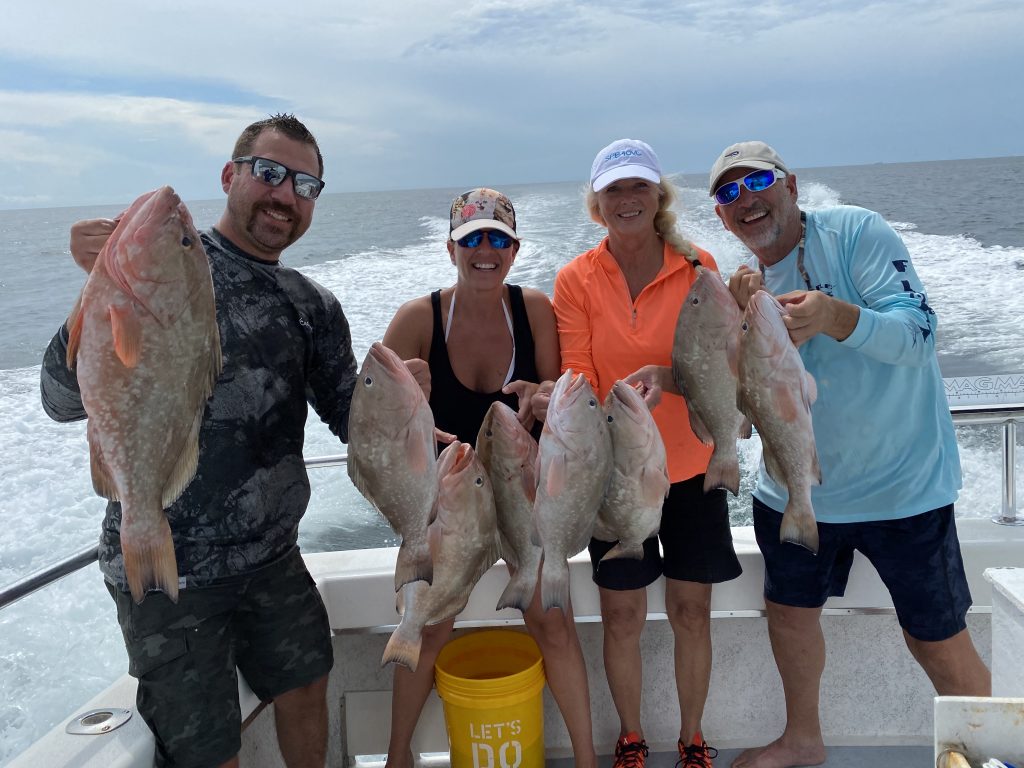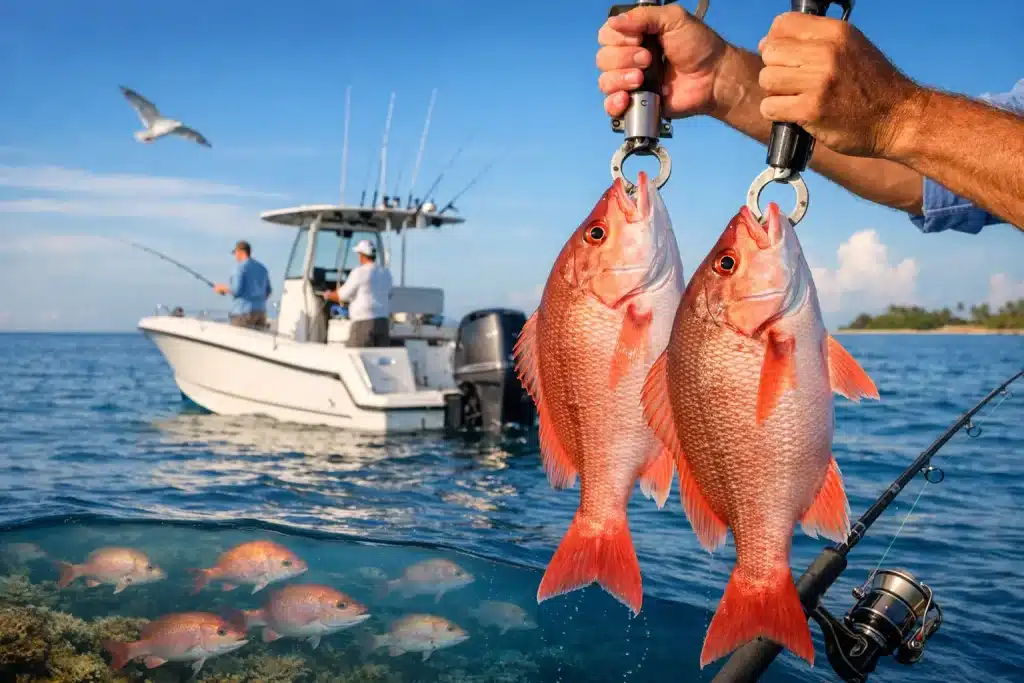
The bite often starts with a small, sharp tap near the bottom, then a sudden pull toward the reef. That is the moment a snapper fishing trip Florida visitors talk about long after vacation ends: good fish, clear Gulf water, and a crew that knows where the structure holds life. From Naples and Marco Island, offshore waters offer excellent opportunities for several snapper species, but the right trip depends on your group, the season, and how far offshore you want to fish.
Snapper fishing is accessible enough for a first-timer and engaging enough for an experienced angler. It is hands-on fishing with a real payoff at the end of the day, whether you are bringing home a cooler of legal fish or sharing stories over dinner after a hard-fought bite.
What Makes Florida Snapper Fishing So Good?
Snapper live around reefs, wrecks, hard bottom, ledges, and other underwater structure where baitfish gather. The Gulf of Mexico off Southwest Florida has plenty of that habitat, which is why a productive day can include mangrove snapper, lane snapper, yellowtail snapper, and, when regulations and season allow, red snapper.
Each species behaves a little differently. Mangrove snapper are smart, wary fish that can test your presentation around structure. Lane snapper are often willing biters and make a great target for families and newer anglers. Larger snapper demand patience, a steady hand, and enough pressure to keep them from reaching the rocks after the strike.
That variety is part of the appeal. A group may catch snapper while also encountering grouper, kingfish, amberjack, permit, or other Gulf species, depending on the location and conditions. The crew can adjust the plan as the day develops rather than keeping everyone focused on one unproductive spot.
Choosing the Right Snapper Fishing Trip in Florida
The best charter length is not always the longest one. A half-day trip is a strong choice for families with younger anglers, visitors fitting fishing around other Naples plans, or anyone trying offshore fishing for the first time. It gives the group meaningful time on the water without making the day feel overly demanding.
A full-day trip gives the captain more room to work. More time can mean reaching farther structure, moving when the bite slows, and targeting a wider mix of bottom fish. It is often the better option for serious anglers, larger friend groups, and guests who want to maximize time with lines in the water.
Weather also matters. Gulf conditions can change, and a responsible captain plans around the forecast, sea state, and the comfort of the people aboard. A calm morning does not guarantee a calm afternoon, so flexibility is part of good offshore fishing. The goal is not simply to get far from land. It is to put your group in a safe, comfortable position to catch fish.
Match the trip to your group
A corporate outing may value a spacious deck, shade, and a relaxed pace as much as the final catch count. A group of experienced anglers may prefer the extra range of a full day. Families often appreciate a boat with a private restroom, a cabin for a break from the sun, and a first mate ready to help children bait hooks and land their first fish.
A private charter makes those decisions easier because the day is built around your group. You are not sharing the boat with strangers or trying to match another party’s pace. The captain can help set expectations before departure and recommend the trip length that suits your group best.
When Is the Best Time to Catch Snapper?
Snapper can be caught in Southwest Florida through much of the year, but the best timing depends on the species. Mangrove snapper fishing can be particularly strong during warmer months, while other species have their own seasonal patterns. Water temperature, bait movement, current, and fishing pressure all influence the bite.
Red snapper deserves special attention because state and federal harvest rules can change by area and year. Seasons, size limits, bag limits, and permitted fishing zones must be followed exactly. Your charter crew should keep up with current regulations and tell you what is legal to keep on the day of your trip.
For most guests, the practical answer is simple: book the date that works for your vacation or local schedule, then let the captain target the best available species and conditions. A good day offshore is not dependent on chasing one fish at all costs. It is about fishing the opportunities the Gulf gives you.
What to Expect Once You Reach the Fishing Grounds
After leaving the dock, the crew handles the navigation, safety preparation, tackle, bait, and rigging. Once the boat settles over productive structure, most snapper fishing is done close to the bottom. The first mate will show you how to lower the bait, feel the line, recognize a bite, and set the hook without jerking too early.
The technique is simple to learn but rewarding to improve. Snapper often peck at a bait before committing, and anglers who pay attention tend to catch more fish. When a larger fish hits, keep steady pressure and listen to the crew. The first few seconds matter because structure is exactly where snapper want to run.
You do not need to arrive with offshore experience or a tackle box full of gear. On a professionally run charter, the equipment is ready and the crew is there to help. Experienced anglers can still enjoy the challenge of refining their presentation, while beginners get clear guidance without feeling overwhelmed.
Comfort Matters on an Offshore Day
A fishing charter should not feel like a test of endurance. Offshore trips are more enjoyable when there is room to move, shade when the sun gets strong, and a clean private restroom onboard. Those details matter especially for mixed-age groups, guests new to boating, and anyone spending a full day on the Gulf.
A larger sportfisherman also provides a more stable platform than many smaller boats. That does not eliminate motion completely, because the sea always has the final say, but it can make a noticeable difference in comfort. If someone in your group is concerned about seasickness, discuss it before the trip and consider taking an appropriate preventive medication as directed by a medical professional.
A&B Charters fishes aboard a custom 40-foot sportfisherman designed for private groups, with a shaded fishing deck, full cabin, bunks, modern electronics, and Coast Guard-compliant safety equipment. For groups of up to 14 passengers, that extra space can turn a good fishing day into one everyone can enjoy.
A Few Smart Things to Bring
Your charter will provide the fishing essentials, but guests should arrive prepared for the Florida sun and a day around saltwater. Wear lightweight clothing, non-marking shoes with good grip, sunglasses, and a hat. Bring sunscreen, water if desired, and a light jacket during cooler months or early departures.
Keep personal items simple and secure. A small bag is easier to manage than a pile of loose gear, and phones should have a waterproof case or dry storage. If you plan to keep legal fish, ask the crew about fish handling and the best way to transport your catch afterward.
Most importantly, bring a willingness to participate. Snapper fishing rewards anglers who stay alert, take instruction, and keep a bait in the water. The crew can handle the technical work, but the memorable part is feeling that bite and bringing the fish to the boat yourself.
Make the Most of Your Day on the Gulf
The strongest snapper trips are not always measured only by the biggest fish. They are the days when a child reels in a first keeper, friends laugh through a double hookup, or an experienced angler gets humbled by a fish that finds the rocks. Offshore fishing gives every group a reason to pay attention to the moment.
Reserve enough time, choose a charter with the boat and crew to fit your group, and arrive ready for action. With the right conditions and an experienced local captain at the helm, a Florida snapper trip can become the day your group measures the rest of the vacation against.
Discover more from Naples Fishing Charters | Deep Sea Fishing
Subscribe to get the latest posts sent to your email.