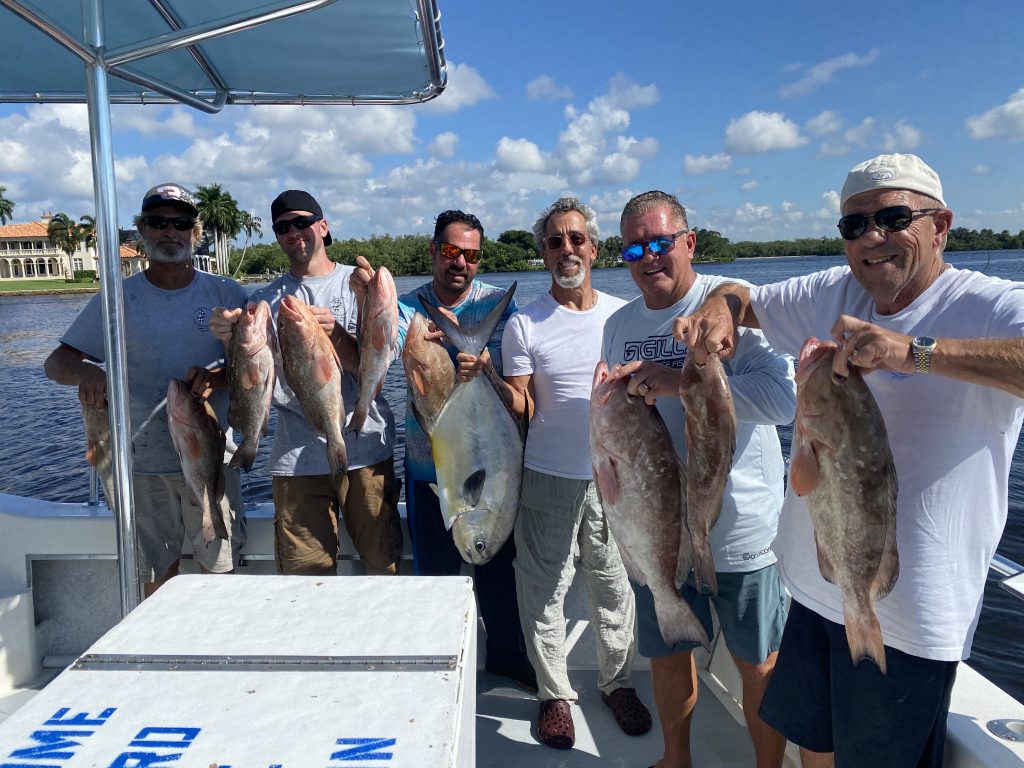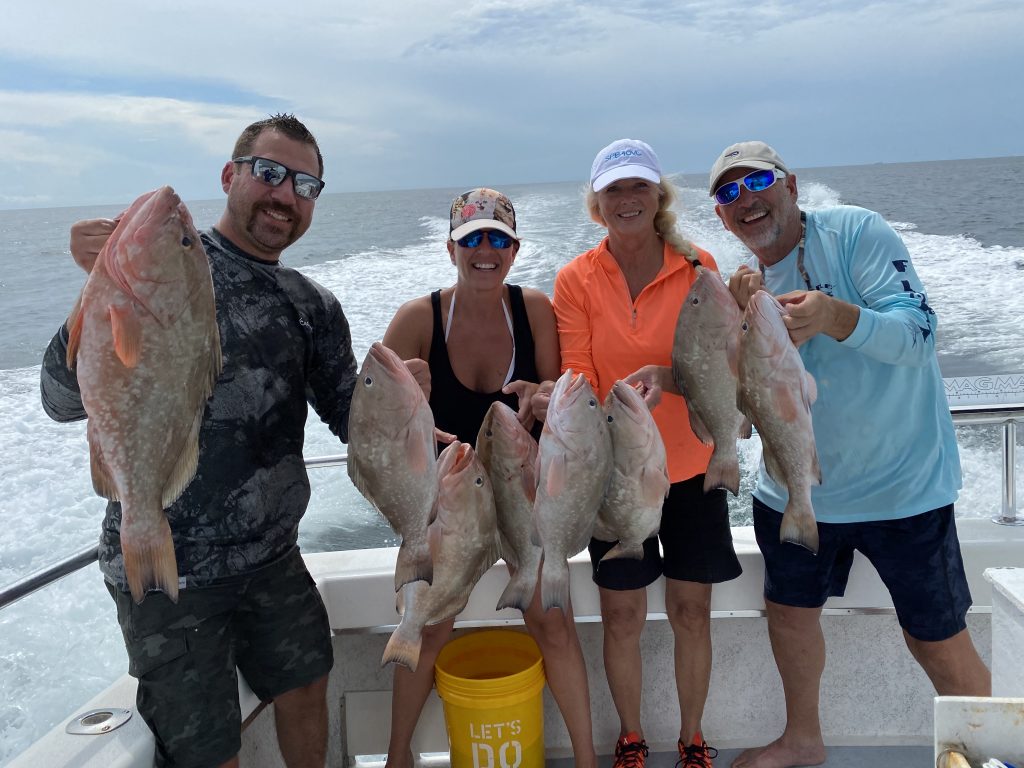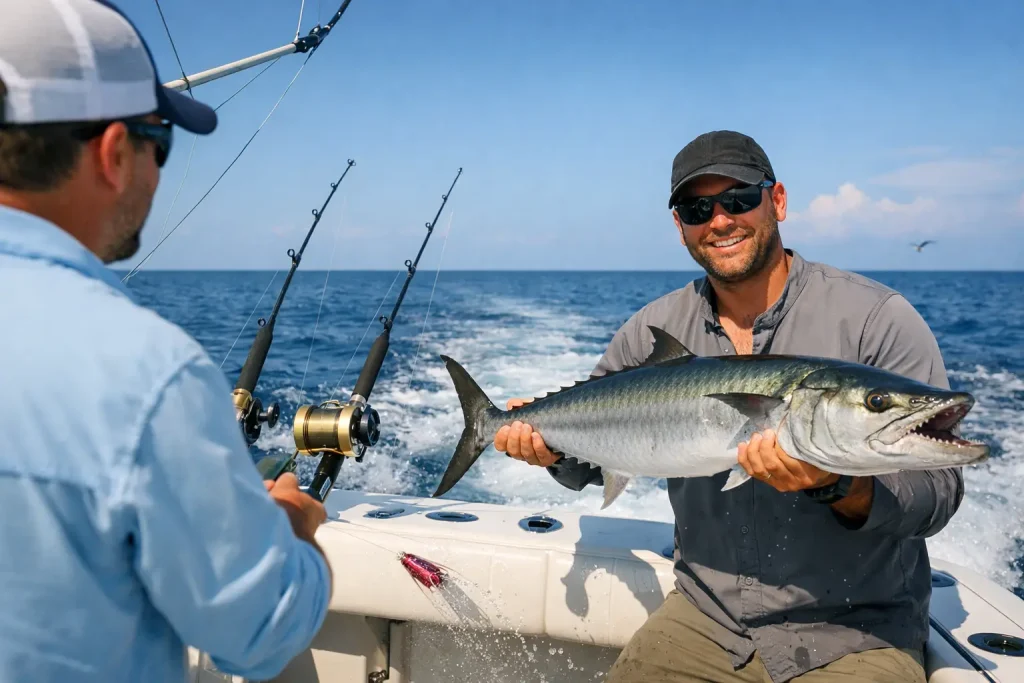
A kingfish strike rarely starts quietly. One moment, a bait is swimming cleanly behind the boat. The next, a reel is screaming and a silver missile is cutting across the wake. Learning how to catch kingfish trolling is about putting lively, natural-looking baits in the right water and being ready when a fast-moving fish makes its move.
In the Gulf off Naples and Marco Island, king mackerel can provide some of the most exciting action of the offshore season. They are powerful, aggressive, and known for blistering first runs. They also have sharp teeth and a knack for finding the one weak point in an angler’s setup. A thoughtful trolling spread, good boat handling, and a little patience make a major difference.
Start Where Kingfish Hunt
Kingfish follow food. Rather than roaming without a plan, they often patrol places where baitfish gather and currents create an easy feeding opportunity. Offshore reefs, wrecks, hard-bottom areas, artificial structure, and the edges of channels can all hold kings when the conditions line up.
Keep an eye out for schools of threadfin herring, pilchards, cigar minnows, blue runners, and Spanish mackerel. Birds working over the surface can point to bait being pushed up, while a good fish finder may reveal bait clouds suspended over structure or along a drop-off. Kings often travel high in the water column, particularly early in the day, but they can also settle deeper around reefs when the sun is high or the water is especially clear.
Current matters as much as the spot itself. A clean current edge, a temperature change, or water moving across a wreck can gather bait and bring predators right behind it. Do not make one quick pass and leave. If a promising area shows bait, make several passes from different angles. The fish may be holding on one side of the structure or feeding only when the bait crosses a particular current line.
Timing the Bite
Kingfish can be caught throughout much of the year in Southwest Florida, but activity changes with water temperature, bait availability, and weather patterns. Spring and fall are often productive periods as bait moves along the coast and kingfish travel with it. Calm mornings can be excellent, though a light chop is not a bad thing. Slightly broken water can make a trolling spread look more natural and give fish less time to inspect a leader.
The first few hours after sunrise are especially worth fishing. That does not mean midday is a lost cause. On a full-day offshore trip, a late-morning bite can develop around a bait school or structure that was quiet earlier.
The Best Baits for Kingfish Trolling
Live bait is hard to beat when kingfish are being selective. A healthy blue runner, threadfin herring, pilchard, or cigar minnow puts out the vibration and flash kings expect from a fleeing meal. The key is keeping the bait alive and swimming naturally, not dragging it so quickly that it spins or tires out.
Rigging depends on bait size and local conditions, but kingfish anglers commonly use a nose hook with a trailing stinger hook. The stinger helps convert short strikes, which are common when a kingfish slashes at the tail of a bait. Because a king’s teeth can cut mono or fluorocarbon in an instant, a short section of single-strand wire is usually the dependable choice.
Dead baits also catch plenty of fish, especially when trolled at a faster pace. A properly rigged ballyhoo, cigar minnow, or ribbonfish can be very effective. The bait must track straight. A spinning bait looks unnatural, twists line, and gives kingfish an easy reason to pass it by. Check every bait regularly, especially after a missed strike, a piece of floating grass, or a turn.
How to Catch Kingfish Trolling With the Right Speed
Trolling speed should match the bait, the sea state, and the fish’s mood. For live bait, a slow, controlled pace is usually best – often around 1 to 2 knots. Watch the bait as it comes alongside the boat before setting the spread. It should swim with purpose, remain upright, and avoid rolling over.
For dead baits, boats may troll faster, generally in the 3 to 5 knot range. There is no single number that works every day. If live baits are struggling, slow down. If dead baits are not swimming cleanly, adjust the rigging or speed before assuming the fish are not there.
Turns are one of the most overlooked parts of kingfish trolling. When the boat turns, the inside lines slow down and sink while the outside lines speed up and rise. That change in pace can make a bait look like it is trying to escape. Many strikes happen during or just after a turn, so keep the spread organized and avoid sharp maneuvers that cause lines to cross.
Build a Spread That Covers Water
A simple, clean spread catches more kingfish than a crowded one. The goal is to show baits at different distances and depths without creating a tangle when a fish hits. On a larger offshore boat, outriggers help separate the long lines from the close baits and give every offering room to work.
Run one or two baits farther back in clean water, then position additional baits closer to the boat. A flat line near the wake can be surprisingly productive because the disturbed water hides the leader and makes a bait harder to examine. If conditions call for it, a downrigger, planer, or weighted line can put a bait below surface traffic and reach kings holding deeper over a reef.
Do not assume the farthest bait is always the best bait. Some days, the closest bait gets hammered. Other days, a long bait well behind the prop wash is the only one touched. Pay attention after each strike. If fish consistently hit one position, duplicate that look when the spread can support it.
Match Your Tackle to the Fish
Kingfish are fast, but they do not require oversized tackle. Medium conventional or spinning gear with a smooth drag and enough line capacity gives anglers a sporting fight while still providing control near the boat. Many crews favor 20- to 30-pound main line, paired with a wire leader appropriate for the size of bait and expected fish.
The drag is critical. Set it too tight, and a kingfish can break the line during its first high-speed run. Set it too loose, and hooks may not hold. A properly adjusted drag lets the fish take line smoothly before the angler settles into a steady fight.
When a fish hits, resist the urge to grab the rod and yank immediately. Let the rod load up and the fish take the bait. With a stinger rig, a firm, controlled lift is usually more effective than a dramatic hookset. Keep the rod tip up, maintain pressure, and let the captain know if the fish changes direction or heads toward another line.
Avoid the Mistakes That Cost Fish
The most common kingfish trolling mistake is dragging injured or fouled bait for too long. Check baits often. A bait that has lost scales, bent its bill, picked up grass, or started spinning should be replaced or corrected.
Another mistake is using a spread that is too complicated for the number of anglers and the conditions. More lines can mean more chances, but only if they are fishing properly. In rough water or heavy current, fewer well-presented baits are often the smarter choice.
Finally, do not rush the endgame. Kingfish often make a last powerful run when they see the boat. Keep fingers away from wire leaders, give the mate room to work, and let the crew handle the leader and landing process. Those final seconds are where many memorable fish are either secured or lost.
For visitors who want the action without the guesswork of bait, weather, offshore navigation, and rigging, a guided trip puts the details in experienced hands. A&B Charters has been fishing these Gulf waters since 1977, with the room, equipment, and crew support to make kingfish trolling comfortable for first-timers and serious anglers alike.
The next time a kingfish tears across the surface behind the boat, let it be the result of a bait swimming true, a spread fishing clean, and a crew ready for the run.
Discover more from Naples Fishing Charters | Deep Sea Fishing
Subscribe to get the latest posts sent to your email.