A great offshore day usually starts long before the boat leaves the dock. If you are wondering how to plan offshore fishing trip details without missing something important, the good news is that you do not need to figure out every technical piece on your own. You just need the right timing, the right charter, and a clear idea of what kind of day you want on the water.
For some groups, that means a half-day trip with steady action and a comfortable ride. For others, it means a full day offshore chasing bigger fish and covering more ground. The best plan is not the one that sounds most hardcore. It is the one that fits your group, your schedule, and your expectations.
How to Plan Offshore Fishing Trip Goals First
Before you compare boats or dates, decide what success looks like for your group. That sounds simple, but it changes everything. A family with kids, a group of friends on vacation, and a company planning a client outing may all want offshore fishing, but they usually do not want the same pace or trip length.
If your group wants steady action, comfort, and a fun first taste of Gulf fishing, a shorter private charter often makes more sense than an all-day push. If your group includes experienced anglers who want more range and more species options, a full-day trip may be the better fit. Offshore fishing always involves variables like weather, season, and fish movement, so it helps to focus on the overall experience instead of promising one exact outcome.
A good charter captain can guide you here, but it helps to be honest up front. Say whether your group is made up of beginners, whether anyone gets seasick, whether kids are coming, and whether catching a variety of fish matters more than targeting one species. That kind of information leads to a better plan than simply asking for the biggest fish available.
Pick the Right Time of Year
In Southwest Florida, offshore fishing can be productive across much of the year, but your experience can still change with the season. Water temperature, wind patterns, and migration all affect what is biting and how far a boat may need to run.
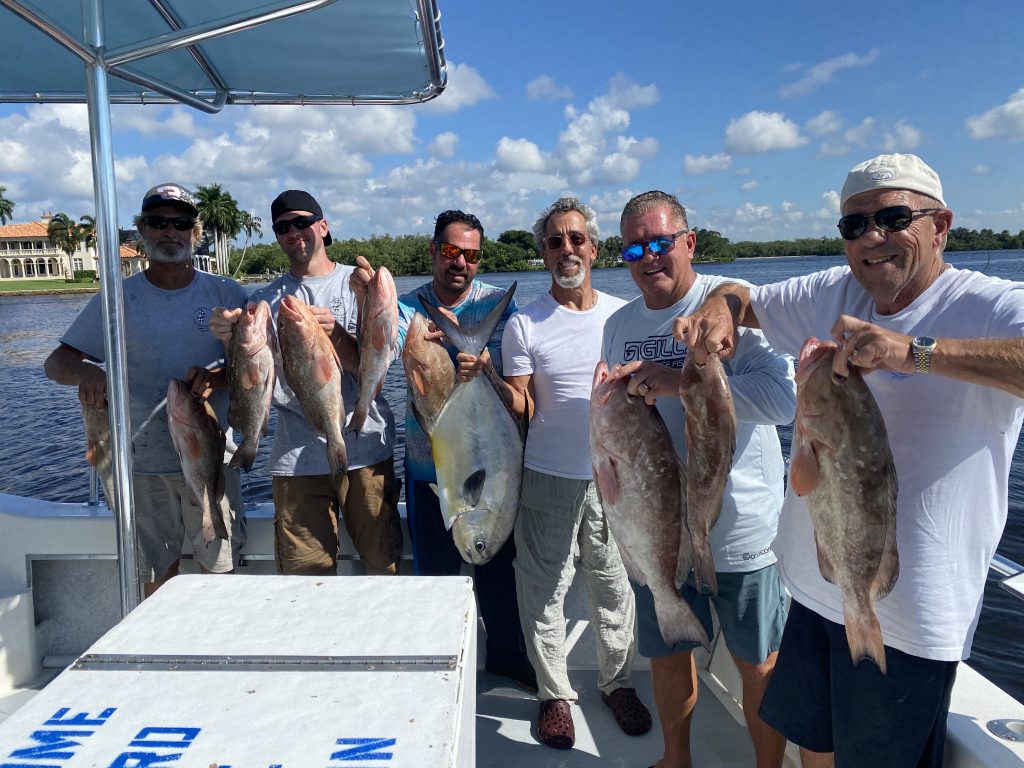
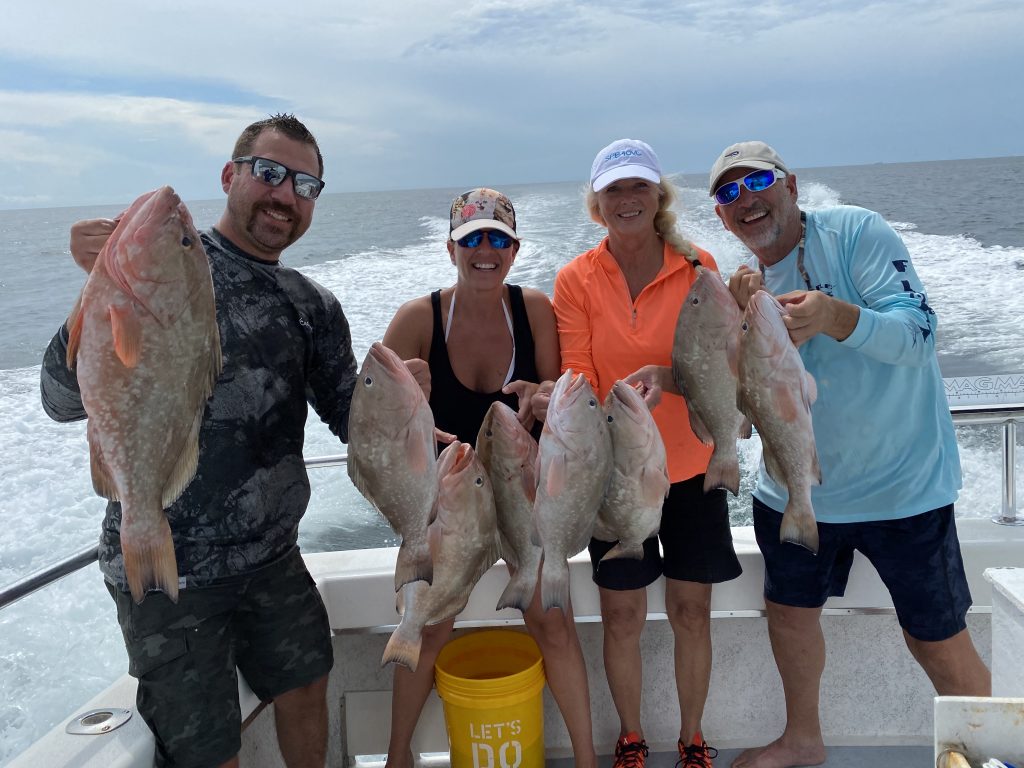
That does not mean there is one perfect month for everyone. It depends on what kind of trip you want. Some anglers care most about species like grouper and snapper. Others are excited by kingfish, amberjack, permit, or the chance at a powerful fight with larger fish. Vacation schedules often make the decision for you, which is fine. The smarter move is booking a charter with strong local knowledge so your plan matches the conditions when you arrive.
If your travel dates are flexible, ask what season offers the best balance of comfort and catch opportunity for your group. Calm water matters a lot more for first-timers than many people realize. A fish-filled day is even better when everyone feels good enough to enjoy it.
Choose a Charter, Not Just a Boat
This is where many people get tripped up. They compare price, glance at a few photos, and assume all offshore charters are basically the same. They are not.
The captain and crew matter as much as the vessel, and often more. Offshore fishing is not just transportation to a fishing spot. It is navigation, safety, fish-finding, rigging, bait management, boat positioning, coaching, and making quick decisions when conditions change. Experience shows up in all of those moments.
Boat size and layout matter too, especially if you are bringing family, friends, or a larger group. A bigger, well-equipped sportfishing boat generally offers a smoother, more comfortable experience offshore than a smaller vessel. That means more room to move, better shade, more seating, and less stress when multiple people are fishing at once. Features like a private restroom, full cabin, bunks, and modern electronics are not luxuries once you are several miles offshore. They are part of what makes the trip easier and more enjoyable.
For groups that want comfort without giving up serious fishing capability, that difference is hard to overstate. A company like A&B Charters has built its reputation around exactly that balance – hands-on offshore action with a professional crew and a boat designed to keep guests comfortable throughout the trip.
Half Day or Full Day?
One of the biggest planning decisions is trip length. A half-day charter is often the best fit for vacationing families, mixed-experience groups, and anyone testing the waters of offshore fishing for the first time. It gives you enough time to get offshore, fish productively, and enjoy the experience without turning the trip into an endurance event.
A full-day trip opens up more possibilities. You can run farther, adjust to conditions, and spend more time working different spots or targeting a wider mix of species. If your group is serious about fishing and wants the strongest chance at a more varied day, the extra time can be worth it.
The trade-off is simple. More time offshore can mean more opportunity, but it also means more exposure to sun, motion, and changing conditions. For some groups, shorter is smarter. For others, longer is the whole point.
What to Ask Before You Book
When you are learning how to plan offshore fishing trip details, a quick phone call usually tells you more than a long online search. Ask clear questions and pay attention to how clearly they are answered.
You want to know what is included, how many people the boat can comfortably handle, what kind of fishing is most likely for your dates, and whether the trip suits beginners. Ask about licensing, safety equipment, fish cleaning, departure logistics, and what happens if weather forces a change. If someone in your group has special needs, mention that early.
This is also the time to ask about comfort. Families and corporate groups often focus on fishing, then realize later they should have asked about shade, seating, restrooms, and cabin space. Those details can turn a good trip into a much better one.
What to Bring and What to Leave Alone
Most offshore charter guests do not need to overpack. In fact, overpacking usually creates clutter on the boat. Bring the basics that keep you comfortable and let the crew handle the fishing setup.
Wear lightweight clothes, non-marking shoes if recommended, polarized sunglasses, and a hat. Bring sunscreen, a small bag for personal items, and any medications you may need. If motion sickness is even a possibility, take precautions before the trip starts, not after the boat is rocking. Too many people wait to see how they feel, and by then the problem is harder to manage.
Leave unnecessary gear at home unless the charter tells you otherwise. Most quality offshore trips provide the tackle, bait, and equipment needed for the day. Guests who bring too much often end up carrying things they never use.
Set Expectations the Right Way
Offshore fishing is exciting because it is real. Fish move. Conditions change. Some days are nonstop, and some require patience. A good charter improves your odds with local experience, quality equipment, and smart decision-making, but no honest captain should promise a script.
That is not bad news. It is part of what makes the day memorable. The strike you wait on, the fish that peels line, the one that surprises the whole group at the rail – those are the moments people remember. The trip is better when everyone understands that offshore success is part preparation, part conditions, and part staying ready when the opportunity shows up.
For families and first-time anglers, the best expectation is usually this: you are not booking a boat ride with fishing as a side activity. You are booking a guided offshore experience built to give you a strong chance at real action, with a crew that helps every step of the way.
Weather Matters More Than Your Vacation Schedule
If there is one part of planning that deserves extra respect, it is weather. Offshore conditions can shift quickly, and the right captain will always put safety and comfort ahead of forcing a trip to happen. That may be frustrating if you have limited vacation time, but it is the right call.
The smart approach is to stay flexible when possible, especially if you are visiting for several days. Booking earlier in your trip can give you more room to adjust if conditions change. It also helps to avoid packing your vacation so tightly that a weather shift ruins the whole plan.
A dependable charter company will communicate clearly about marine conditions and what they mean for your trip. That kind of honesty is worth a lot.
Plan for the Group Experience, Not Just the Catch
People often focus so much on the fish that they forget what makes a charter truly successful. It is the shared experience. It is kids seeing dolphins on the way out. It is friends talking trash between hookups. It is a client outing that feels relaxed instead of forced. It is having enough room on board to enjoy the day, not just endure it.
That is why the best offshore trip plan accounts for more than rods and reels. It considers the ride, the space, the crew, the pace, and how comfortable your group will feel six or eight miles offshore. Good planning is not about making the trip complicated. It is about removing the guesswork so everyone can enjoy the day once the lines go in.
If you start with the right charter, ask the right questions, and plan around your group instead of someone else’s idea of the perfect trip, you will give yourself the best chance at the kind of offshore day people talk about all the way back to the dock.
Discover more from Naples Fishing Charters | Deep Sea Fishing
Subscribe to get the latest posts sent to your email.