A good Gulf reef fishing guide starts with one simple truth: the action usually begins long after the shoreline disappears. Reefs, ledges, wrecks, hard bottom, and live-bottom areas hold the structure that draws the Gulf’s best-known game fish. Getting there safely, finding productive water, and putting the right bait in front of the right fish is where local experience makes a real difference.
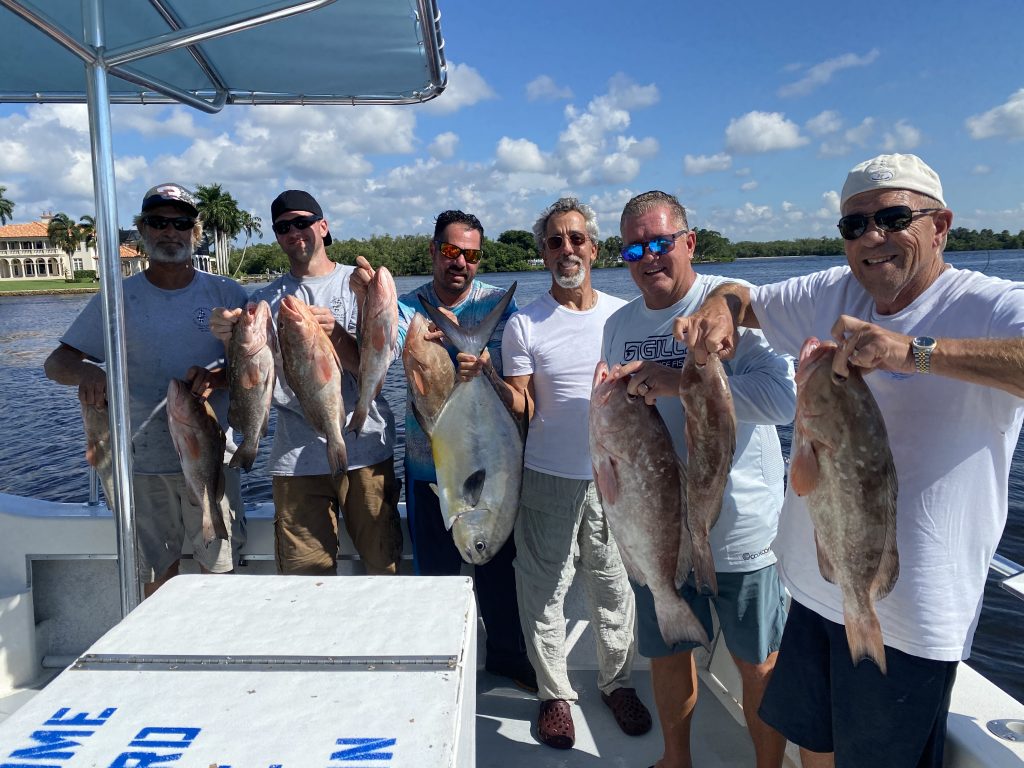
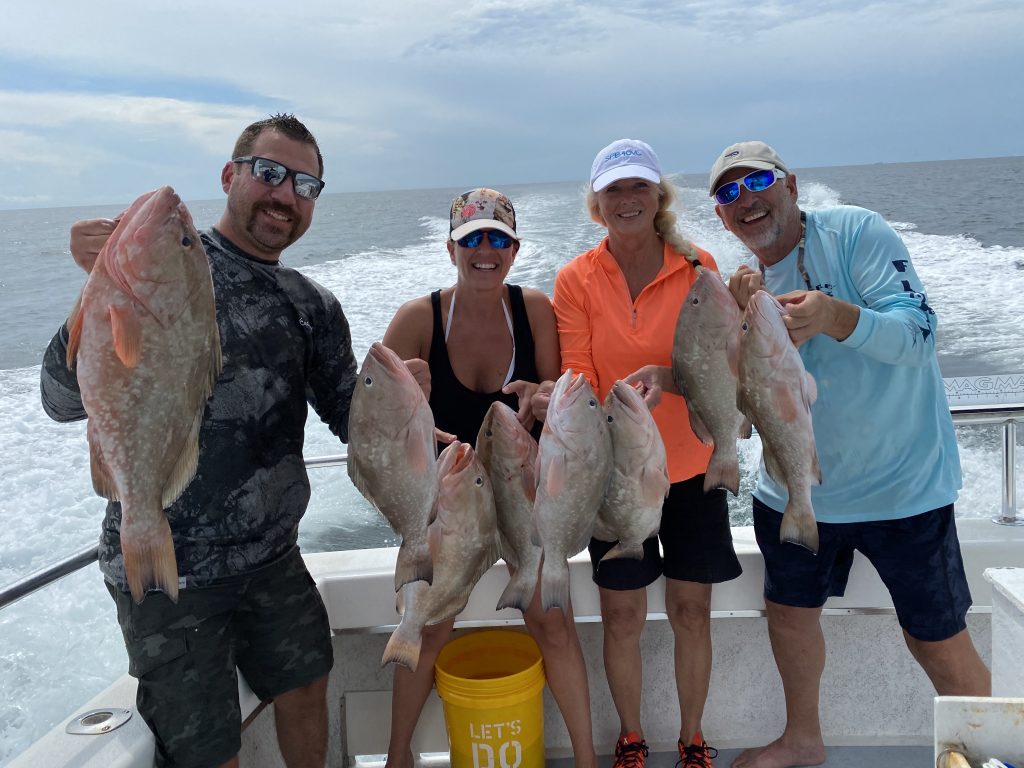
For Naples and Marco Island visitors, reef fishing is a chance to spend the day doing more than sightseeing. It is hands-on offshore fishing for snapper, grouper, kingfish, amberjack, permit, and other Gulf species that can turn a family vacation, friends’ trip, or company outing into a story everyone keeps telling.
What Makes Gulf Reef Fishing Different?
The Gulf of Mexico is not one uniform fishing ground. Sand flats may stretch for miles, but fish gather around changes in the bottom. A rocky ledge, artificial reef, shipwreck, patch of limestone, or isolated piece of hard bottom can create shelter and current breaks that concentrate baitfish. Predators follow.
That is why reef fishing is more precise than simply dropping a line over the side. The captain uses modern electronics, local knowledge, tide movement, depth, water clarity, and the day’s conditions to locate places where fish are likely to feed. One spot may hold snapper close to the bottom, while another produces kingfish higher in the water column or amberjack circling a wreck.
Distance offshore matters, but it is not the only factor. Longer runs can reach deeper water and less-pressured structure, yet a productive half-day trip can still provide excellent fishing when conditions and the bite line up. The best choice depends on your group’s available time, the season, sea conditions, and the species you hope to catch.
The Reef Species Gulf Anglers Come For
Snapper: Fast Action and Great Table Fare
Snapper are often a favorite for first-time offshore anglers because they bite readily when they are feeding and make a terrific meal. Mangrove snapper, lane snapper, vermilion snapper, and other varieties may show up around reefs and structure depending on location and season.
Snapper fishing rewards a natural presentation. Smaller hooks, properly sized baits, and enough weight to hold near the bottom often outperform heavy, bulky tackle. The first bite can be subtle, so keeping the line tight and listening to the mate’s instruction helps. When legal fish come aboard, the excitement builds quickly, especially when several people in the group are hooked up at once.
Grouper: The Fight Starts at the Bottom
Grouper live where they can retreat into structure, which means the first few seconds after the bite are critical. A grouper may strike hard and immediately try to make it back to a hole, ledge, or wreck. Anglers need to reel firmly and keep steady pressure before the fish can gain an advantage.
Different grouper species have different seasons, size requirements, and bag limits. Regulations can change, and certain species may be closed at times of year when others are available. A professional crew handles the current rules, identifies the catch, and helps ensure fish are kept or released properly.
Kingfish, Amberjack, Permit, and More
Not every memorable fish comes from the bottom. Kingfish often patrol around bait schools and structure, delivering fast runs that test an angler’s grip and reaction time. Amberjack are powerful, stubborn fish commonly associated with deeper wrecks and reefs. Their strength can surprise even experienced anglers.
Permit can be especially exciting around wrecks and reef edges. They are respected for their speed and determination, and they require thoughtful handling when brought alongside the boat. Seasonal opportunities may also include cobia, bonito, barracuda, and goliath grouper. No captain can promise a specific species, but a well-run offshore trip gives your group a strong chance to encounter the fish that make Gulf reef fishing so addictive.
Tackle and Bait: Match the Setup to the Bite
The right reef setup is usually straightforward, but it is never one-size-fits-all. On a typical bottom-fishing stop, anglers may use conventional tackle with a leader, hook, and sinker selected for the depth, current, bait, and target species. In stronger current or deeper water, more weight may be necessary to keep the bait where the fish are holding. In lighter conditions, a more subtle rig can draw more bites.
Live bait can be highly effective when kingfish, amberjack, permit, or larger grouper are around. Cut bait, squid, and other natural baits also produce, particularly for snapper and bottom fish. The crew will tell you when to let a bait settle, when to reel it up, and when to wait for a stronger bite rather than setting the hook too early.
A charter is especially helpful for beginners because there is no need to buy gear, study knots, rig baits, or guess at tackle selection before the trip. Experienced anglers benefit, too. They can focus on fishing while the captain and mate adjust to the conditions and keep the operation moving efficiently.
How Conditions Shape the Day
Weather affects comfort, but current, wind direction, tide, and water clarity also affect where and how fish feed. A calm forecast does not automatically mean an easy bite, and a little movement in the water can sometimes improve fishing around a reef. The captain evaluates the full picture before and during the trip.
Morning trips can be comfortable and productive, while afternoon departures may fit a vacation schedule better. Full-day charters allow more time to travel farther, fish multiple areas, and change strategies if the first spot is slow. Half-day trips are an excellent option for families with younger anglers, first-timers, or groups that want offshore action without committing the entire day.
The Gulf can be warm and bright for much of the year. Wear soft-soled shoes, sun protection, and clothing you are comfortable fishing in. Bring sunglasses and a hat, and consider motion-sickness medication before departure if you are prone to seasickness. Taking it once you feel ill is often too late to get the full benefit.
A Gulf Reef Fishing Guide for First-Time Charter Guests
The best first-timer advice is to arrive ready to learn rather than worried about doing everything perfectly. Your crew will show you how to hold the rod, work the reel, and respond when a fish bites. Reef fishing can shift from quiet anticipation to a hard strike in seconds, which is part of the fun.
Listen closely when the captain or mate explains where to drop your bait and how far to reel. On a busy reef, lines can cross if everyone fishes at a different depth or moves around the deck without communicating. A little teamwork keeps lines in the water and gives the entire group more opportunities.
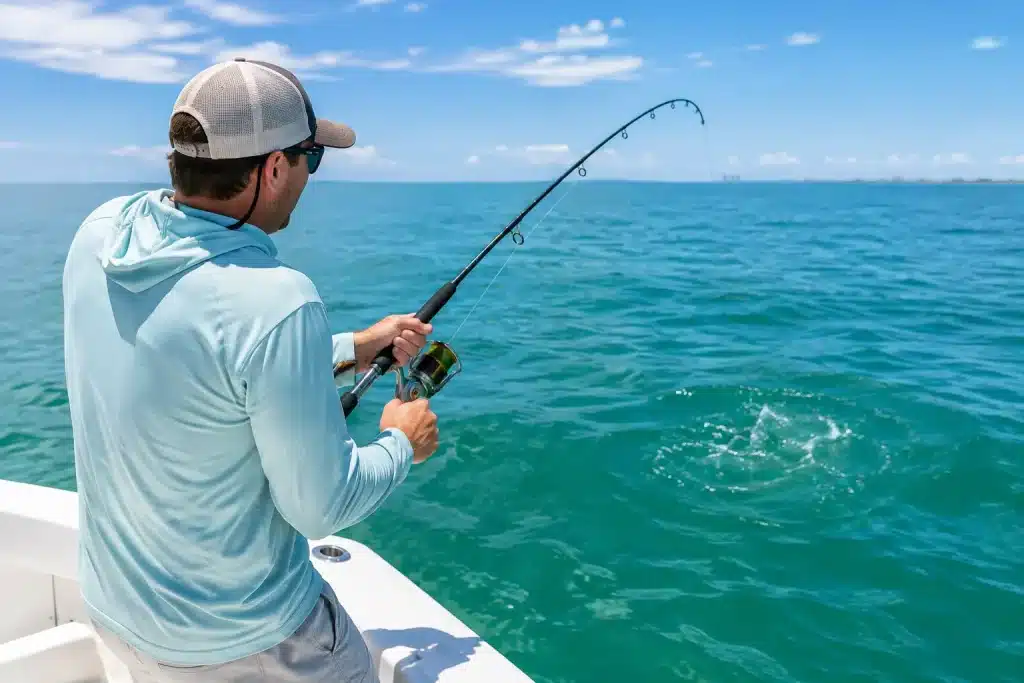
When a fish is hooked, keep the rod pointed with a bend in it and reel steadily when instructed. Do not panic if the fish pulls back. The crew is there to coach you through the fight, land the fish safely, and make sure everyone has a chance at the action.
Comfort is another part of a successful trip. A larger offshore boat offers valuable room for families and groups, along with shade, a cabin, a private restroom, and a stable fishing platform. Those details matter after several hours on the water, particularly when guests range from serious anglers to kids fishing offshore for the first time.
Keep, Release, and Respect the Resource
Reef fishing is at its best when anglers respect the fishery that makes these trips possible. Federal and state rules govern seasons, size limits, bag limits, and protected species. Some fish must be released, even if they were hard to catch, and careful handling improves their odds of survival.
A quality charter crew stays current on regulations and makes those decisions clear at the rail. If you keep legal fish, ask about cleaning arrangements and the best way to enjoy your catch locally. If a fish must go back, a quick photo and proper release still make it a worthwhile moment.
A&B Charters has taken guests offshore from Naples and Marco Island for decades, pairing a spacious 40-foot sportfisherman with the kind of captain and crew support that lets every guest concentrate on the experience. Whether your group wants a family-friendly introduction or a serious day over Gulf structure, the goal is the same: safe travel, comfortable fishing, and every possible opportunity when the bite turns on.
The reef will always have the final say, which is exactly what keeps offshore fishing honest. Bring a little patience, trust the crew, and stay ready at the rail. The next bait down could be the one that makes your Gulf day unforgettable.
Discover more from Naples Fishing Charters | Deep Sea Fishing
Subscribe to get the latest posts sent to your email.