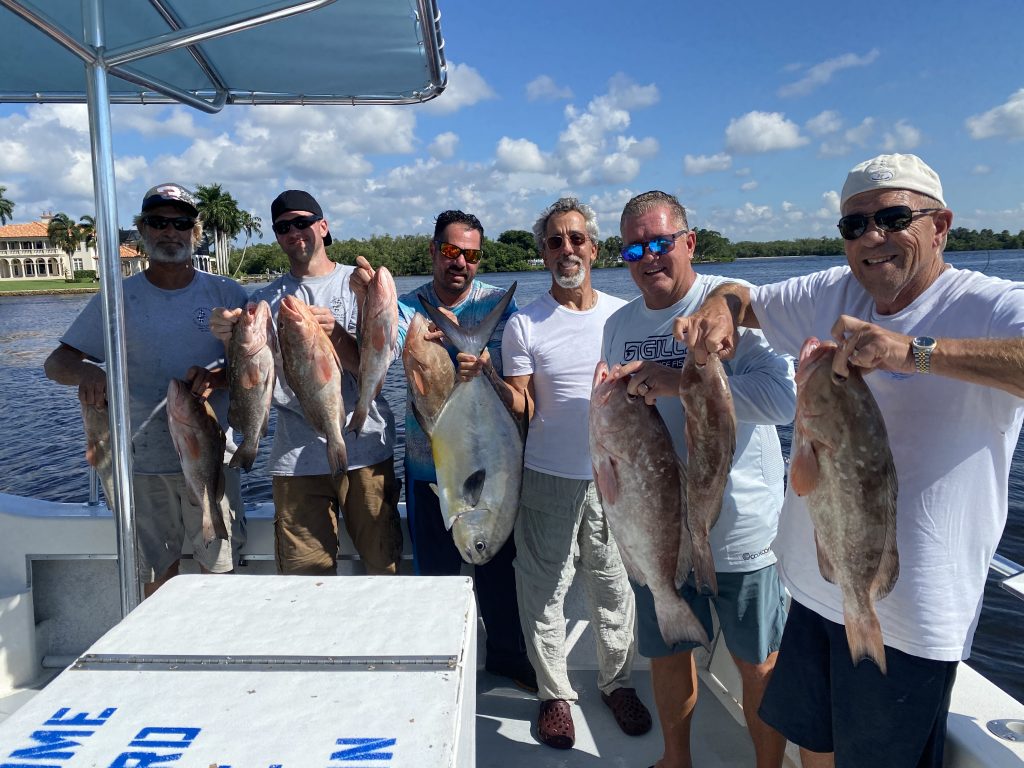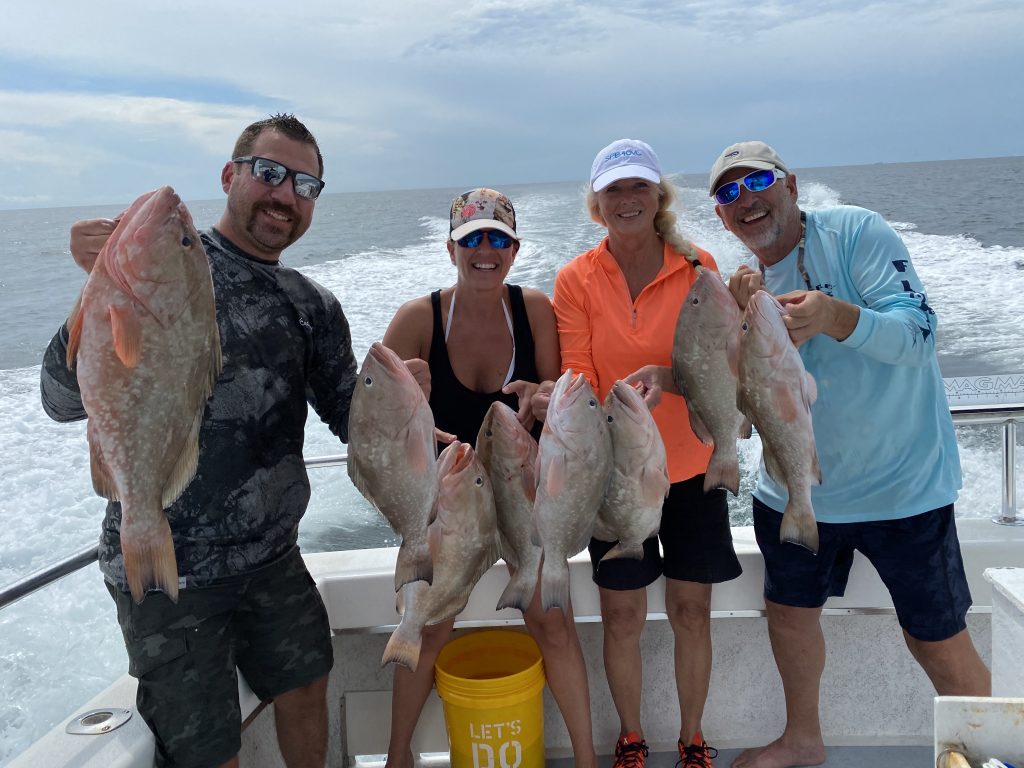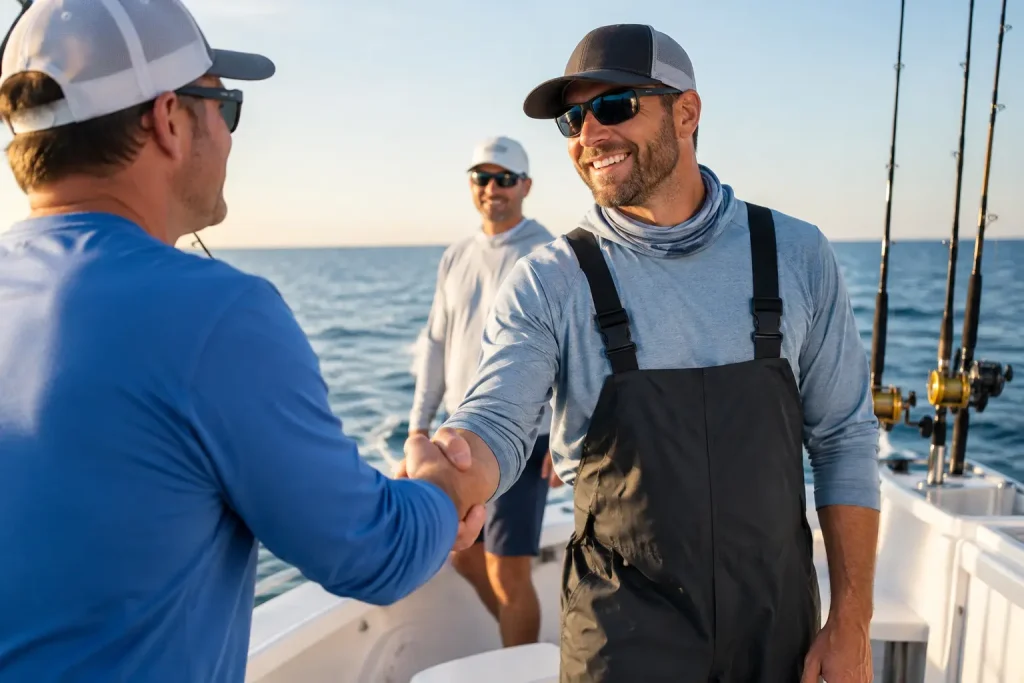
The bite is slowing down, the fish box is full, and your crew has spent the day rigging baits, clearing lines, coaching new anglers, and keeping everyone comfortable offshore. Then comes the question many guests have quietly wondered about all day: what should you tip? This fishing charter gratuity guide takes the guesswork out of the end of a great day on the water.
On a private offshore charter, gratuity is a customary way to thank the crew for the personal service that makes the trip run well. It is not a fee for catching a guaranteed number of fish. Weather, currents, and fish behavior will always have a say. It is recognition for the effort, skill, hospitality, and attention your captain and mate bring to your group from the dock to the ride home.
What Is a Standard Fishing Charter Gratuity?
For most private fishing charters in Southwest Florida, a tip of 15% to 20% of the charter price is a common guideline for good service. Many guests use 20% as their starting point, especially when the mate has worked closely with the group all day.
That gratuity commonly goes to the mate, who handles much of the hands-on work: preparing tackle, baiting hooks, resetting lines, helping land fish, untangling lines, teaching guests, and often cleaning the catch after the trip. On some boats, the captain and mate may share tips differently. If you are unsure, it is perfectly appropriate to ask the crew before departure or at the dock when you return.
A simple way to plan ahead is to add 20% of the charter rate to your trip budget. For a $1,000 half-day trip, that works out to a $200 gratuity. If six people are splitting the cost, each person could contribute about $33. For a $2,200 full-day charter, a 15% tip is $330 and a 20% tip is $440.
The total is generally based on the charter price, not on optional purchases or taxes. Still, each operation can structure pricing differently, so ask whether any service charge is already included before assuming it covers a tip.
What Your Tip Recognizes
A strong offshore trip has a lot happening behind the scenes. Guests see the rods bend and the fish hit the deck. The crew sees the preparation that began well before the boat left the marina.
Your captain is responsible for the bigger picture: safe navigation, reading conditions, selecting productive areas, managing the boat, and making sound decisions when the Gulf changes its mind. An experienced captain also adjusts the plan for the people aboard. A group of longtime anglers may want a fast-paced day targeting hard-fighting fish, while a family with young children may need more coaching, shade breaks, and a steadier rhythm.
The mate is often the person guests interact with most. He or she may spend the entire trip moving from rod to rod, rigging baits, explaining what a bite feels like, taking photos, gaffing a fish when appropriate, and keeping the deck organized. That work is physical, fast-paced, and easy to overlook when the action is good.
On a spacious offshore boat, the crew is also helping create a relaxed experience for everyone aboard. That matters on trips with mixed skill levels, corporate groups, and families. The best crews know when to give experienced anglers room and when to step in so a first-timer can confidently catch their first snapper or grouper.
When It Makes Sense to Tip More
Twenty percent is generous and customary for excellent service, but there are days when guests choose to go beyond it. A larger gratuity can be appropriate when the crew has provided extra attention or gone well beyond the expected work of a normal charter.
For example, consider tipping more if the mate has spent significant time helping children or beginners, if your group needed frequent assistance, or if the crew handled an especially busy bite with skill and good humor. Extra fish cleaning, accommodating a large group, taking plenty of photos, or making thoughtful adjustments for a guest’s comfort can also merit a little more.
The same is true when difficult conditions require extra work. A slow fishing day does not automatically call for a smaller tip. Fish are wild, and even the most experienced captain cannot command the tide or make a cold front disappear. If the crew worked hard, changed tactics, stayed attentive, and gave your group a safe, enjoyable day, gratuity should reflect the service rather than only the catch count.
A tip above 20% is never an obligation. It is simply a meaningful way to acknowledge exceptional effort. If a mate helped your child land their first offshore fish or turned a weather-affected day into a fun family memory, most guests understand why that extra thank-you feels right.
When Service Did Not Meet Expectations
Tipping is customary, but it should still reflect your experience. If there was a genuine service problem, it is fair to adjust the amount. The key is separating a disappointing fishing result from poor crew effort.
No one books an offshore trip hoping for a quiet day, but a slow bite is part of fishing. A professional crew should communicate honestly, keep trying productive options, and remain engaged even when the fish are not cooperating. That deserves consideration.
Poor communication, a lack of attention, avoidable disorganization, or an unwelcoming attitude are different matters. If something feels off during the charter, mention it politely while there is time to address it. Most experienced crews want to make things right, whether that means explaining the plan, providing more help, or adjusting the pace of the day.
If you decide to leave less than the usual amount, a brief, respectful conversation can be more useful than silence. Specific feedback gives the captain or operator a chance to understand what happened. Keep it direct and fair.
Cash, Cards, and Group Tips
Cash is usually the easiest and most appreciated way to leave a charter gratuity. It can be handed directly to the mate at the end of the trip, and it avoids confusion about how a digital payment is distributed. Bring smaller bills if several people in your party want to contribute separately.
That said, payment options vary. Some charter operations can accept a tip by card or digital payment, while others cannot. Ask before the trip if you do not carry cash. Do not wait until the boat is back at the dock to find out that the only option available does not work for your group.
For families, friend groups, and company outings, decide in advance who will handle the tip. The person paying for the charter can include it in the group’s shared expenses, or everyone can contribute before leaving the marina. This avoids the awkward last-minute search through pockets after a long day offshore.
If your group has a host, organizer, or office manager arranging a corporate outing, build gratuity into the budget from the start. It is a small detail that makes the day feel organized and ensures the crew is recognized for serving a larger group.
A Fishing Charter Gratuity Guide for First-Timers
First-time guests sometimes worry that they will look uninformed if they ask about tipping. They will not. Charter crews work with newcomers every day, and a quick question is better than making assumptions.
Before your trip, confirm what is included in the charter rate. Ask whether fish cleaning is included, whether a service charge has already been added, and what forms of gratuity the crew can accept. You can also ask who typically receives the tip. Those three questions make the end of the day simple.
Do not feel pressured to tip before the boat leaves the dock. A gratuity is best handled after you have experienced the crew’s service. At that point, thank the captain and mate directly, offer the tip, and let them know what you appreciated. A sincere comment about the extra coaching, the safe ride, or the effort they put into finding fish means a great deal.
At A&B Charters, guests range from seasoned anglers to families trying offshore fishing for the first time. The crew’s job is to make the day feel approachable, comfortable, and exciting for everyone aboard. Planning gratuity before your trip lets you focus on the moments that matter more: the first strike, the photo at the rail, and the stories your group will still be telling after the fish is on the grill.
Discover more from Naples Fishing Charters | Deep Sea Fishing
Subscribe to get the latest posts sent to your email.