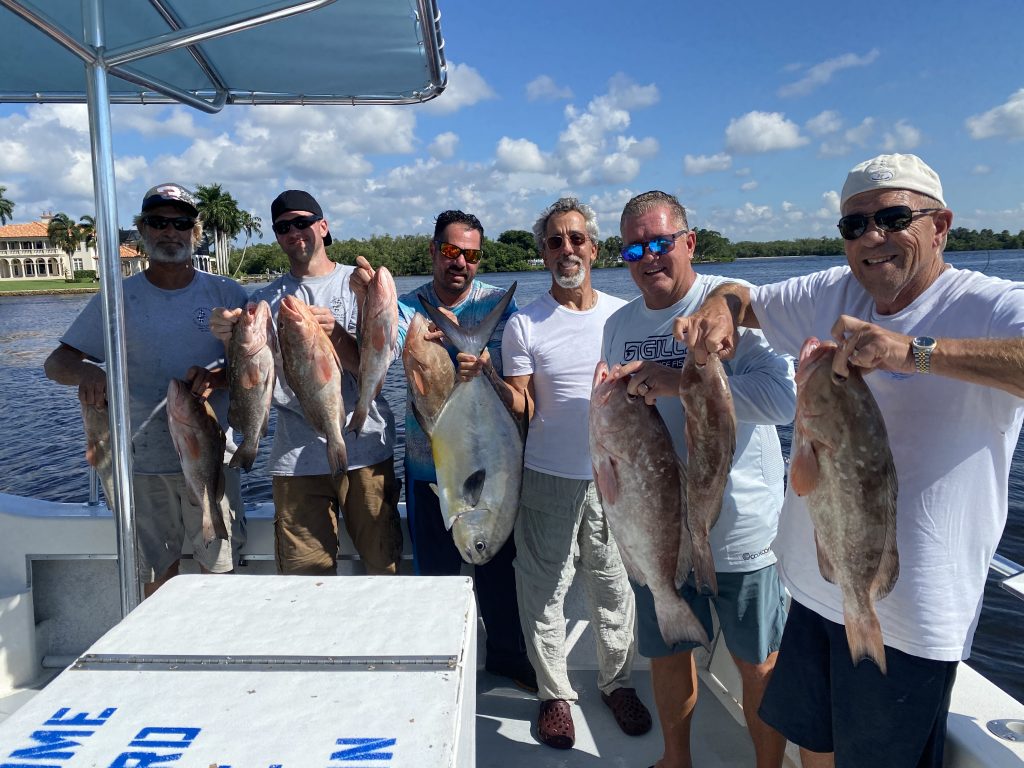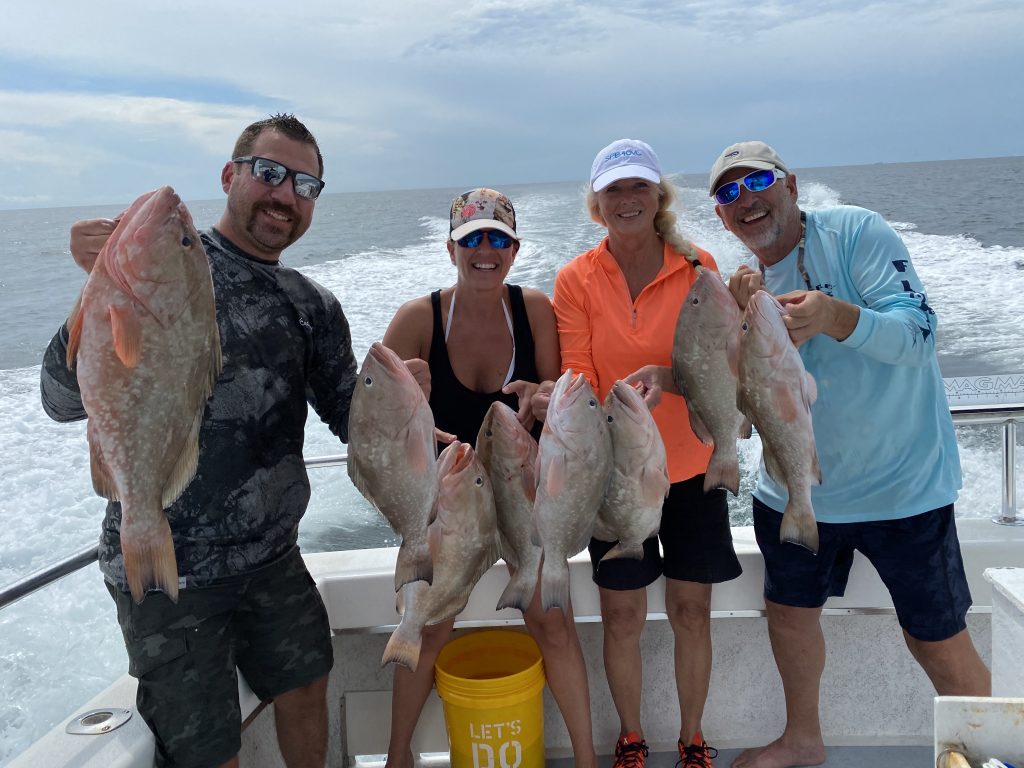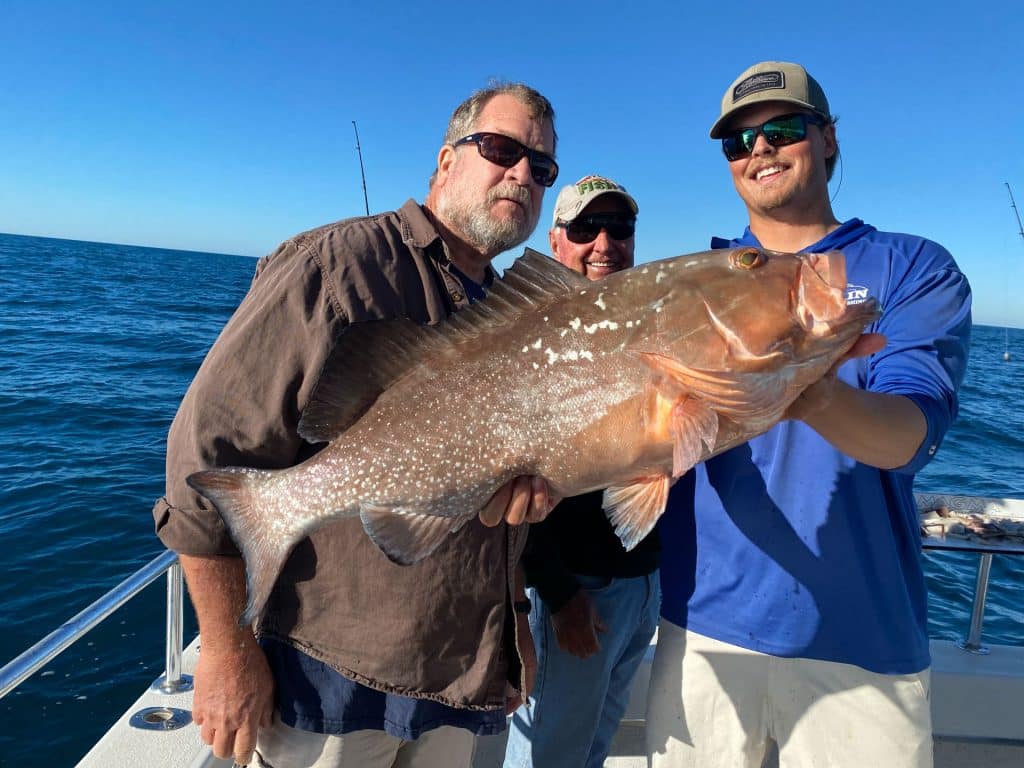
A great offshore day is not measured only by how many rods bend. It is also the moment the mate says, “That one is a keeper,” and your group realizes dinner may be coming home with you. If you are wondering what fish can you keep offshore near Naples, the short answer is that Gulf anglers commonly retain certain grouper, snapper, kingfish, amberjack, and other species – but the exact answer changes with the fish, the season, where you are fishing, and the regulations in effect that day.
For visitors and first-time offshore anglers, that can sound complicated. It does not have to be. A professional charter crew tracks the rules, measures fish correctly, and lets you focus on the fun part: feeling the bite, fighting the fish, and enjoying a memorable day on the Gulf of Mexico.
What Fish Can You Keep Offshore in the Gulf?
Offshore waters out of Naples and Marco Island offer a wide mix of edible, hard-fighting game fish. The species you may legally keep depend on current bag limits, minimum or slot sizes, seasonal closures, and whether the boat is fishing in state or federal waters. Regulations can change, so there is no substitute for checking the current rules before a trip.
That said, these are some of the fish that frequently make a welcome appearance in the fish box when conditions and regulations allow.
Grouper
Grouper are a centerpiece of Gulf bottom fishing. Red grouper, gag grouper, scamp, and other varieties live around ledges, reefs, hard-bottom areas, and wrecks. They hit hard and head straight for structure, which makes the first few seconds of the fight especially exciting.
Grouper regulations are species-specific. Some have closed seasons, different minimum lengths, or different rules in state and federal waters. A fish that looks like a typical grouper may not have the same limit as the next one, which is why accurate identification matters. Goliath grouper are a special case: they are highly protected and are generally treated as catch-and-release on recreational charter trips, even though hooking one can be an unforgettable experience.
Snapper
Snapper fishing can be fast-paced and family-friendly, particularly when a school moves over the reef. Mangrove snapper, lane snapper, yellowtail snapper, mutton snapper, and red snapper may be encountered offshore, though availability varies by depth, location, water conditions, and time of year.
Mangrove snapper are a common favorite for Gulf anglers because they are excellent table fare and can put up a spirited fight on lighter tackle. Red snapper are among the most sought-after fish in the Gulf, but their recreational harvest is closely managed and only permitted during designated seasons or under applicable federal programs. If red snapper are open, the crew will know the rules and help ensure each fish is handled properly.
Kingfish and Spanish Mackerel
King mackerel, usually called kingfish, are one of the classic offshore targets in Southwest Florida. They are known for blistering runs, sharp teeth, and exciting strikes on live bait or trolled baits. When kingfish meet the current size requirements, they can be kept within the daily bag limit.
Spanish mackerel may also show up closer to shore or around bait schools. They are smaller than kings but quick, aggressive, and enjoyable for anglers of all experience levels. Both species are popular to eat fresh, grilled, smoked, or prepared as fish dip.
Amberjack
Greater amberjack are powerful reef fish that demand strong tackle and steady pressure. They often live around deeper wrecks and structure, and a big one can test even an experienced angler’s arms and back. When the season is open and fish meet the required size, amberjack can be kept within the applicable bag limit.
The trade-off is that amberjack regulations can be particularly fluid. Seasons and harvest rules may change in response to fishery management decisions, so a knowledgeable captain’s guidance is essential. If keeping them is not permitted, anglers can still enjoy the challenge of catch-and-release fishing.
Permit, Cobia, and Other Opportunities
Permit are prized for their speed, strength, and selective feeding habits. They may be found around wrecks, reefs, and other offshore structure. Cobia can appear around rays, floating objects, and nearshore or offshore structure, sometimes creating a surprise opportunity during a trip aimed at other fish.
These species can be legal to keep when they meet the current requirements, but they are not automatic catches on every outing. Offshore fishing is not a grocery-store experience. Weather, water temperature, bait movement, current, and the day’s bite all shape what is available. That unpredictability is part of what makes a Gulf trip so rewarding.
Size, Seasons, and Bag Limits Matter
Keeping a fish legally is about more than simply catching it. Most regulated species have three basic checks: the fish must be in season, it must meet the required size measurement, and it must fit within the bag limit for that species.
A bag limit is the number of fish each angler may retain. A size limit protects fish that have not yet had a chance to mature, while seasonal closures help protect fish during spawning periods or support long-term fishery health. Some species have a minimum length, while others have a slot limit that allows anglers to keep fish only within a specific size range.
There is another important factor: state and federal waters can have different rules. In general, Florida state waters extend several miles from shore on the Gulf coast, while federal waters begin farther offshore. A full-day trip may travel through both areas, and the crew must follow the regulations that apply where the fish are caught.
For that reason, never rely on an old fishing report, a social media post, or a regulation you remember from a previous vacation. Fishery rules are updated regularly. On a guided trip, your captain and mate make the call based on current regulations, the fishing location, and the species in hand.
How a Charter Helps You Keep Fish Responsibly
A good charter removes much of the uncertainty for guests. You do not need to arrive knowing how to distinguish a gag grouper from a red grouper, how to measure a snapper, or whether a particular season is open. The crew handles those details while teaching you what you are catching and why a fish is being kept or released.
That local judgment matters. A fish may be perfectly legal but not in the best condition to bring home. Conversely, a fish that is just short of the required length must go back, no matter how close it is. Responsible crews use appropriate tackle, release undersized or protected fish carefully, and keep only what the group can legally retain and reasonably enjoy.
At A&B Charters, the goal is to give guests a productive, comfortable offshore experience while respecting the Gulf fishery that has supported Southwest Florida anglers for generations. On a spacious 40-foot sportfisherman, groups have room to fish, relax in the shade, and let the crew assist with the details from the first bait drop to the final fish count.
Can You Take Your Catch Home?
In many cases, yes. If fish are legally retained, charter crews typically clean and bag the catch for guests to take with them, subject to local practices and the arrangements for the trip. Ask before departure about fish cleaning, cooler space, and the best way to transport your catch back to your hotel, rental, or home.
Keep expectations realistic. A half-day trip may focus on accessible reefs and steady action, while a full-day trip can provide more time to reach deeper water or try several locations. Neither trip guarantees a specific species or a full cooler. The captain follows the conditions and puts the group in the best position for a safe, enjoyable, fish-filled day.
The best offshore keeps are the ones you remember: a child holding a first snapper, friends cheering through a kingfish run, or a family cooking a fresh Gulf dinner after a day on the water. Fish within the rules, trust the crew’s local knowledge, and enjoy every part of the experience – including the stories that come home with the catch.
Discover more from Naples Fishing Charters | Deep Sea Fishing
Subscribe to get the latest posts sent to your email.