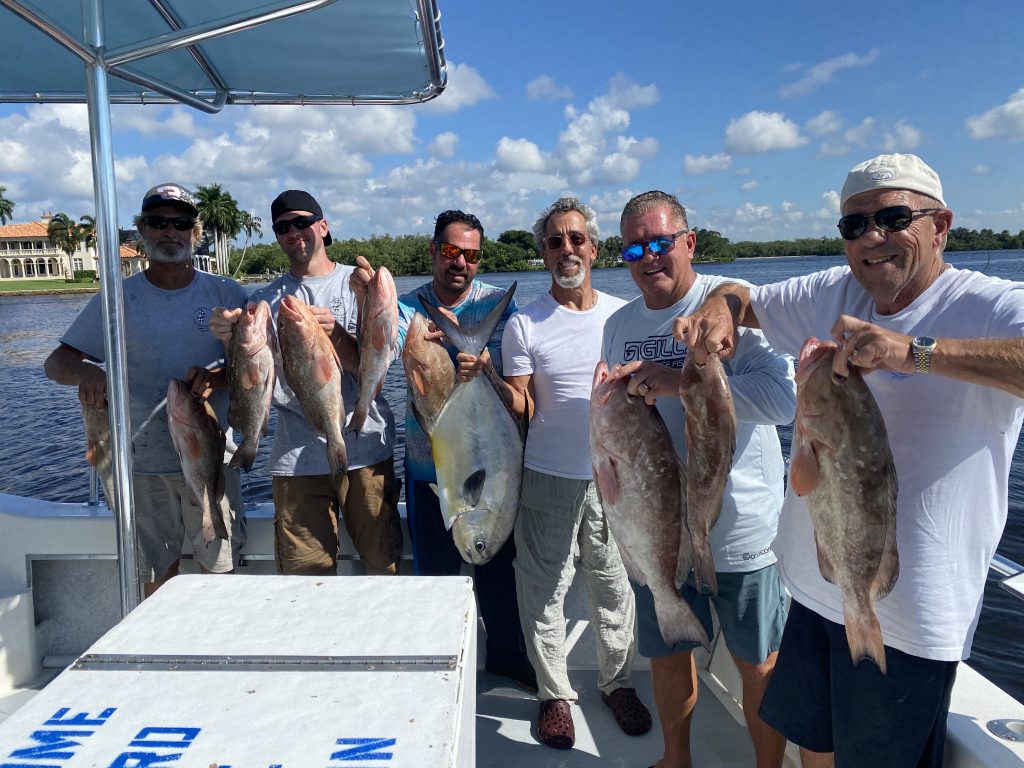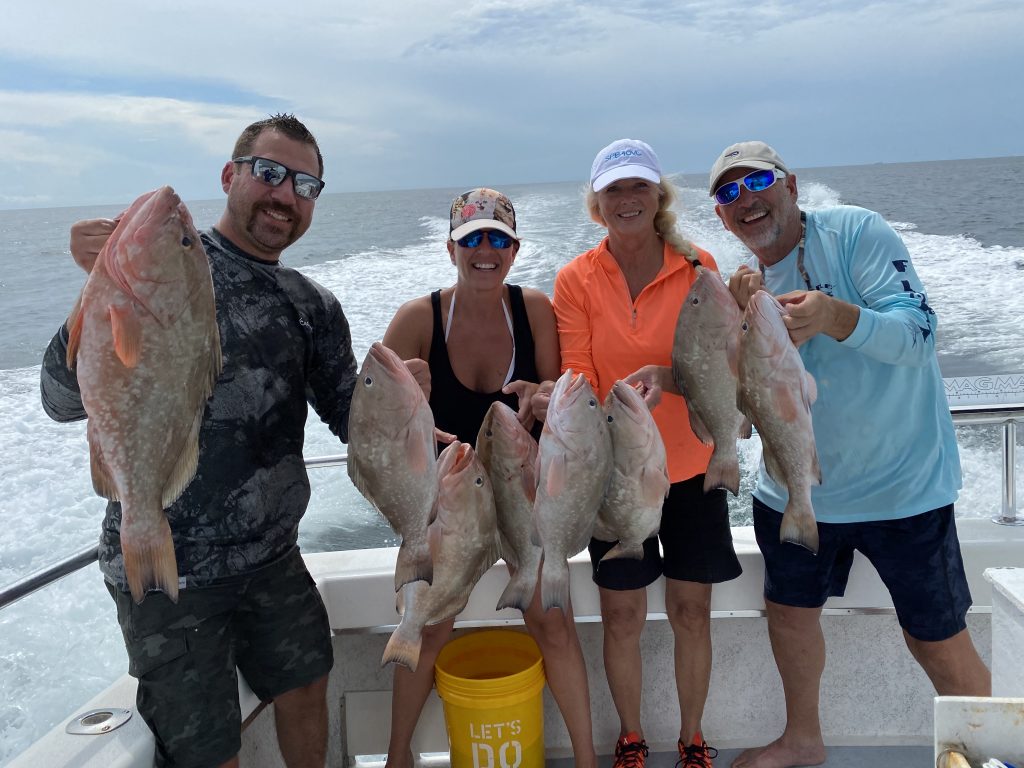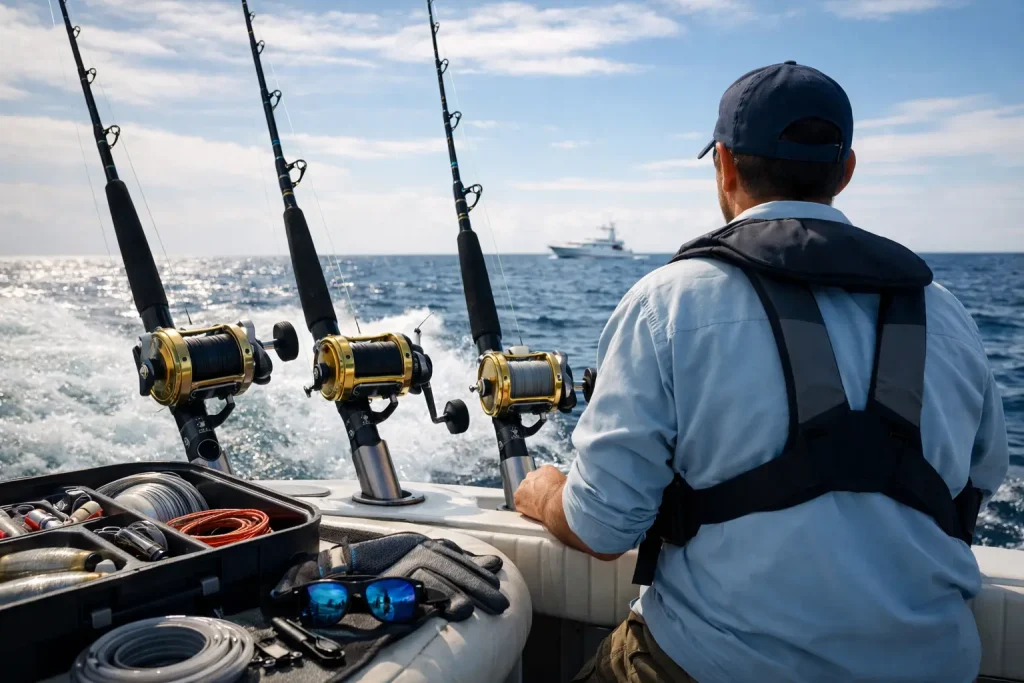
A great offshore trip usually starts before the boat ever leaves the dock. If you’re wondering how to prepare for deep sea fishing, the goal is simple: show up comfortable, ready to fish, and ready to enjoy the day. The right prep helps first-timers feel confident, helps experienced anglers avoid easy mistakes, and gives everyone a better shot at making the most of their time on the Gulf.
Deep sea fishing is different from an inshore boat ride or a casual day at the beach. You’re spending hours offshore, often in bright sun, changing wind, and rolling seas. That sounds intimidating to some people, but it doesn’t need to be. With a good charter, most of the heavy lifting is handled for you. Your job is to arrive rested, dressed appropriately, and ready for action when the bite turns on.
How to prepare for deep sea fishing before trip day
The biggest mistake many guests make is assuming deep sea fishing is all about gear. On a professionally run charter, the crew typically handles the rods, tackle, bait, electronics, and fish-finding. What matters more for most guests is personal preparation.
Start with sleep. A short night followed by early departure, sun exposure, and wave motion can wear people down fast. If you are booking a half-day or full-day trip, try to get a full night’s rest and keep the evening before fairly low-key. A fresh start makes a difference, especially for kids, beginners, and anyone who isn’t used to being offshore.
It also helps to think through your group. Families with younger children usually do best when everyone knows the plan ahead of time – when to arrive, how long the trip lasts, and what the day will look like. Corporate groups and friend groups should do the same. A smooth morning at the dock sets the tone for the whole trip.
Dress for sun, spray, and changing conditions
Southwest Florida looks warm from shore, but offshore conditions can feel different. Mornings may start cooler with wind on the ride out, then turn hot once the sun gets higher. Lightweight layers are usually the smart move.
Wear soft, breathable clothing that dries quickly. Long-sleeve performance shirts are often more comfortable than tank tops because they protect your skin without making you feel heavy or overheated. A hat with a secure fit helps in bright conditions, and polarized sunglasses make it easier to see comfortably on open water.
Footwear matters more than many people expect. Choose non-marking shoes or sandals with good grip. Flip-flops can work for some people, but they are not always ideal when decks get wet or when you’re moving around during the excitement of a hookup. Closed-toe deck shoes are often the easiest choice.
If rain is in the forecast, don’t panic. Offshore weather changes quickly, and a passing shower does not always ruin a trip. Still, bringing a light rain layer is a good call. The trade-off is comfort versus packing light, but most guests are happier having an extra layer than wishing they did.
Plan ahead for motion sickness
If you have even a mild history of motion sickness, handle it before the boat leaves the marina. This is one of the most practical parts of learning how to prepare for deep sea fishing, and it’s the one people most often ignore until too late.
Take preventative medication as directed, not after you already feel sick. Timing matters. For many guests, that means taking it the night before or well before departure, depending on the product and your doctor’s guidance. If you are unsure what works for you, sort that out ahead of time rather than experimenting on trip day.
Food choices matter here too. An empty stomach can be just as unhelpful as a greasy breakfast. A light, balanced meal is usually the sweet spot. Think simple and familiar, not heavy and not sugary. Hydration helps as well, especially in Florida heat.
Even with preparation, some days are bumpier than others. Wind, current, and offshore distance all affect how the ride feels. That’s part of the experience. On a larger, more comfortable sportfishing boat, many guests find the trip easier than they expected, especially compared with smaller boats that react more sharply to every wave.
What to bring and what to leave behind
For most charter guests, the best approach is to pack light and smart. Bring sunscreen, sunglasses, a hat, any personal medications, and a small personal bag if needed. A phone is fine for photos, but it is wise to keep it protected from spray.
Snacks and drinks depend on the charter’s setup, so check in advance rather than assuming. On a private trip, many groups like to bring simple food that is easy to handle between bites. The best choices are practical ones – water, sports drinks, sandwiches, fruit, and easy snacks that won’t make a mess on deck.
Leave valuables, bulky coolers, and anything fragile at home unless you’ve confirmed there is a reason to bring them. Deep sea fishing works best when the deck stays uncluttered. If you’re bringing kids, keep their gear simple too. One extra sweatshirt and a few essentials usually beat a pile of bags.
Know what to expect offshore
One reason first-time anglers get nervous is that they don’t know what the day will actually feel like. The reality is usually a mix of travel time, setup time, waiting, bursts of action, and plenty of hands-on help from the crew.
You may run a considerable distance before lines go in, depending on season, target species, and conditions. Once fishing starts, the pace can change quickly. Sometimes the action is steady. Other times the crew may make adjustments, move to another spot, or switch tactics. That’s normal offshore fishing, not a sign something is wrong.
This is where experience matters. A seasoned captain is not guessing. He is reading conditions, using local knowledge, and making decisions based on what gives the group the best chance at a productive trip. For guests, that means less pressure to know everything and more freedom to enjoy the day.
Set the right expectations for your group
Not every trip looks the same, and that’s a good thing to understand before boarding. Fish behavior changes with weather, water temperature, season, bait movement, and countless small factors. You can have a great trip with nonstop action, or a slower day with a few memorable catches and still come back happy if your expectations are realistic.
For beginners and families, the best mindset is to focus on the full experience – the ride offshore, the anticipation, the teamwork, the chance to catch quality Gulf species, and the fun of seeing what comes over the rail. Serious anglers usually understand this already, but even they benefit from remembering that offshore fishing always has an element of unpredictability.
That unpredictability is part of the appeal. It keeps the day real. It also makes preparation more valuable, because when the fish turn on, you want your group feeling good and ready.
Comfort matters more than people think
A lot of advice about how to prepare for deep sea fishing focuses on tackle and technical details. For private charter guests, comfort is often the bigger factor. When people stay shaded, hydrated, and physically comfortable, they fish better and enjoy the trip more.
That is especially true for mixed-age groups, couples, and corporate outings where not everyone has the same tolerance for heat or offshore movement. A larger vessel with a shaded deck, cabin space, and a private restroom can change the whole tone of the day. It takes the edge off long runs, gives people room to reset, and makes the trip far more approachable for guests who are excited about fishing but not eager to rough it.
That is one reason many groups in Naples and Marco Island choose a charter experience that feels professionally run from start to finish. A&B Charters has built its reputation around exactly that kind of trip – offshore fishing with real comfort, real guidance, and room for families, friend groups, and larger parties to enjoy the day together.
A few smart habits on the boat
Once you’re aboard, pay attention to the crew and follow instructions quickly. That doesn’t mean the trip is rigid. It just means a smooth charter runs better when everyone listens during the key moments – lines going out, fish coming in, hooks moving around, or the boat repositioning.
If you are new to offshore fishing, speak up. A good captain and mate would rather answer basic questions early than have someone feel unsure later. Ask how to hold the rod, where to stand, or what to do when a fish hits. There is no prize for pretending you know more than you do.
It also helps to pace yourself. Drink water before you feel thirsty. Reapply sunscreen before you feel burned. Sit down during longer runs if you need a break. A full-day trip is easier to enjoy when you treat it like a day on the water, not a sprint.
The best preparation is simple. Get rested, dress for the conditions, plan for motion sickness, bring only what you need, and show up ready to listen and have fun. Do that, and the offshore part starts feeling less like a question mark and more like what it should be – a memorable day with a real chance at great fish and even better stories on the ride back in.
Discover more from Naples Fishing Charters | Deep Sea Fishing
Subscribe to get the latest posts sent to your email.