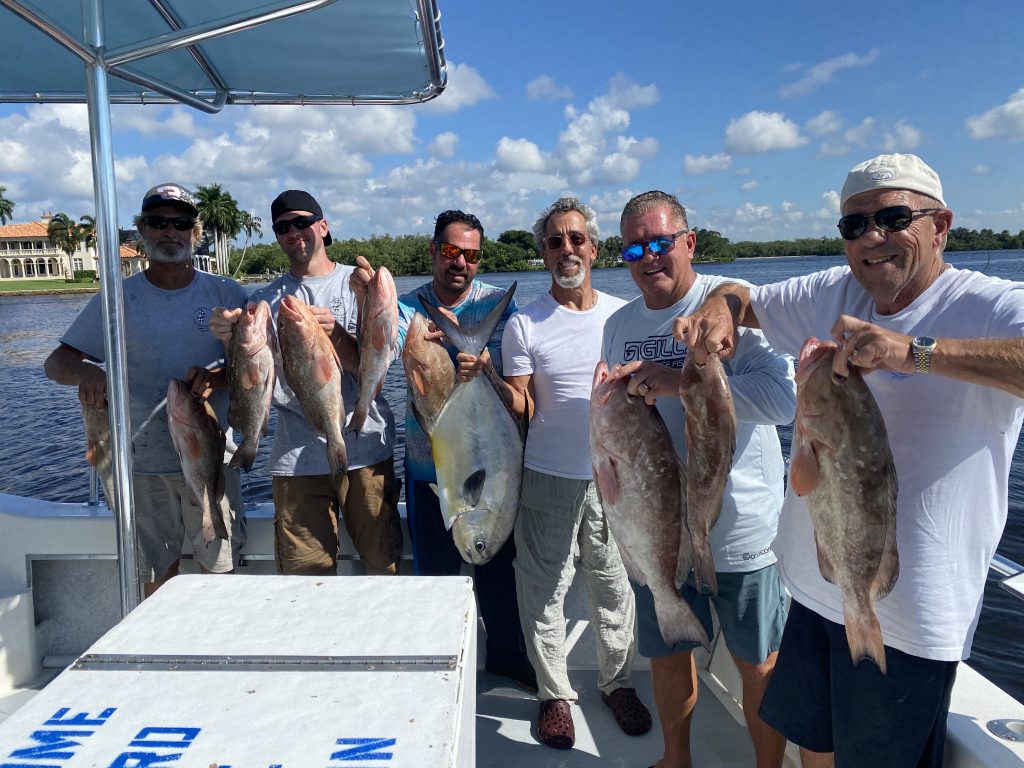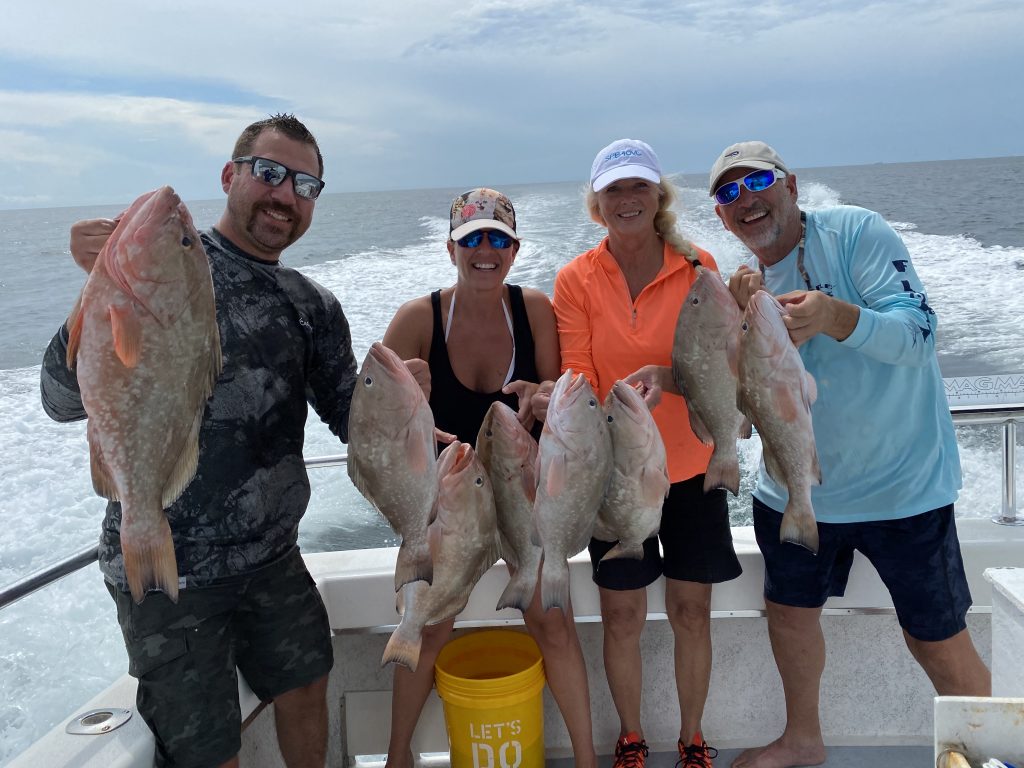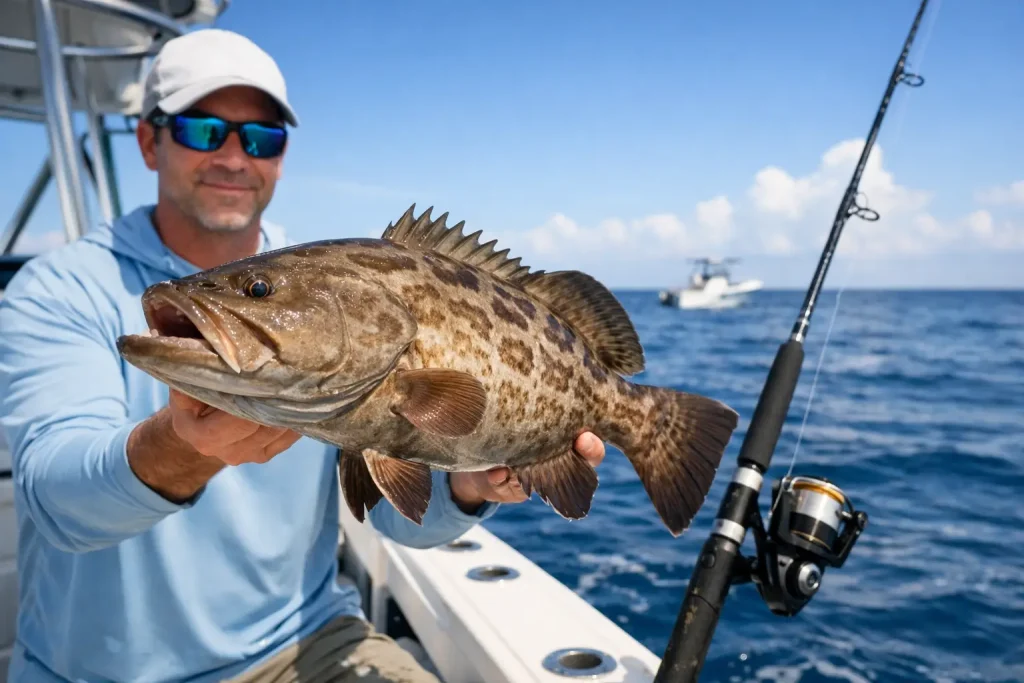
Grouper fishing gets serious the moment your bait reaches bottom. One second nothing is happening, and the next you feel a thump, a heavy surge, and a fish trying to bulldog straight back into the structure. If you want to learn how to catch grouper offshore, the biggest lesson is simple – success comes from getting to the right bottom, using the right bait, and reacting fast when that bite comes.
Off Southwest Florida, grouper are one of the most rewarding offshore targets because they hit hard, fight dirty, and put great fillets in the cooler when regulations allow. They are also structure-oriented fish with a real talent for making anglers pay for slow reactions or light tackle. That is why experienced local crews put so much focus on boat position, bait presentation, and heavy gear that can turn a fish before it digs into the reef, ledge, or wreck.
How to catch grouper offshore in the Gulf
The Gulf of Mexico gives anglers plenty of grouper habitat, but not all bottom is equal. Grouper relate to hard structure. That can mean limestone ledges, rock piles, artificial reefs, wrecks, or natural bottom changes that hold bait and create ambush points. When people struggle with grouper offshore, it is often not because their bait is wrong. It is because they are fishing dead bottom instead of productive structure.
Finding that structure is where local experience matters. Electronics help, but reading bottom properly takes time on the water. Small rises, sharp breaks, and isolated pieces of hard bottom can all hold fish. In many cases, the best spots are not dramatic mountains on the screen. They are subtle pieces of relief that consistently hold legal-size grouper because bait stays there and fishing pressure may be lighter.
Current also plays a big role. Grouper usually set up where food gets pushed to them, so your presentation has to reach the strike zone without drifting too far off the mark. That is why bottom fishing offshore is rarely just dropping a line and waiting. Good captains constantly adjust position to keep baits close to the structure without hanging up every drop.
The right depth and bottom matter
Depth depends on the season, water temperature, and the species you are targeting. Red grouper, gag grouper, scamp, and other Gulf species may hold in different zones, and those zones can shift. On some trips, productive bites happen in moderate offshore depths. On others, you need to run farther to find cleaner water, better relief, or less pressured fish.
The trade-off is straightforward. Deeper spots can hold quality fish, but they may require heavier sinkers, more effort on the retrieve, and a little more patience for newer anglers. Shallower offshore structure can be easier to fish, especially for families or first-timers, but it may be more picked over on busy days. A crew that knows how conditions are shaping up can make the right call for the trip.
Best bait and tackle for grouper
Grouper are not shy about eating, but they are built for life around heavy cover. That means your tackle needs to match the fight. This is not the place for finesse. You want stout conventional gear, strong main line, a heavy leader, and hooks sized for the bait and species in play.
Live bait is often the top choice because it triggers aggressive strikes and gives grouper a reason to leave cover. Pinfish, grunts, sardines, and other legal local baitfish can be excellent when available. A lively bait near bottom gets noticed fast, especially around active structure. When live bait is not practical, fresh cut bait can still be very effective. Grouper are opportunistic and will eat a well-presented chunk of bait if it is in the right place.
Your sinker needs enough weight to hold bottom. That sounds basic, but it is one of the most common mistakes offshore anglers make. Too light, and the bait drifts away from the strike zone. Too heavy, and the presentation can feel clumsy or snag more often than necessary. It depends on depth and current, which is why successful grouper fishing is always a little adjustable.
Why heavy drag wins the first five seconds
When a grouper bites, your job is not to admire the strike. It is to move the fish now. Grouper instinctively dive back into their hole, and if they reach it, the odds shift in their favor. That first lift and turn is everything.
A firm drag setting, a solid hook set, and steady pressure matter more than fancy technique. You are trying to separate the fish from the bottom before it locks itself into structure. Once the fish is coming up, the battle becomes much more manageable. If you hesitate, even a good fish can feel impossible.
This is one reason charter fishing helps beginners have better results. An experienced captain and mate can coach you through the bite, tell you when to crank hard, and keep the boat positioned so you are fishing effectively instead of guessing.
Timing, season, and conditions
If you are wondering how to catch grouper offshore consistently, timing is a big part of the answer. Grouper feed all year, but water temperature, weather windows, and seasonal regulations all affect how and when you target them. Some months offer better access to calmer offshore conditions, while others can be productive but require more flexibility.
Morning trips often fish well, especially before boat traffic builds and while current and light conditions favor active feeding. That said, grouper are bottom-oriented and can bite through much of the day when the structure, bait, and current line up. The better question is not just what time you leave. It is whether the conditions let you fish the right areas effectively.
Wind and current can make a good spot hard to fish. If the drift is too fast or the sea state is uncomfortable, keeping baits in the zone gets tougher. On the other hand, a calm day offshore gives the crew more freedom to fish specific ledges and work productive bottom thoroughly. That can make a real difference, especially on full-day trips where you have time to run farther and fish multiple areas.
Technique matters more than most people think
A lot of first-time offshore anglers picture grouper fishing as simple bottom fishing. In one sense, that is true. The bait goes down, you wait for the bite, and then you pull. But the little details separate a slow day from a productive one.
The best anglers stay in contact with the bottom without constantly dragging and snagging. They know the difference between dead weight, a peck from smaller fish, and the heavy thump of a grouper loading up on the bait. They also keep reeling when told, even when the fish feels like it is glued to the bottom.
Patience helps, but so does speed. Sometimes grouper bite decisively. Other times they mouth the bait before committing. A good crew reads that behavior and adjusts whether you should let it sit another second or come tight right away. That kind of real-time coaching is hard to replace, especially for visitors who do not fish the Gulf regularly.
Common mistakes that cost fish
Most lost grouper come down to a few issues. Anglers either fish too light, fail to keep the bait near the structure, or do not apply enough pressure after the bite. Another common problem is letting the rod tip bounce without staying engaged. Grouper do not give many second chances once they get back into the rocks.
There is also the matter of expectations. Not every offshore reef holds a giant fish, and not every day produces a nonstop bite. Productive charter fishing is usually about stacking good decisions all day long – choosing fishable water, working quality bottom, adjusting bait, and staying ready when the window opens.
Why the boat and crew make a difference
Offshore grouper fishing is more enjoyable when the platform is stable, comfortable, and equipped to handle the conditions. That matters for experienced anglers chasing a strong bite, and it matters even more for families, mixed-skill groups, and anyone who wants the day to feel like a vacation instead of a test.
A larger offshore sportfishing boat gives you room to fish, move around, and stay comfortable on the run out and back. It also gives the captain more capability when it comes to navigation, electronics, and safely reaching productive bottom. For groups spending a half day or full day offshore, those details are not small. They shape the whole experience.
That is part of why anglers fishing with A&B Charters in Naples and Marco Island often have a better shot at enjoying the day from start to finish. The combination of experienced local crew, a spacious offshore boat, and Gulf bottom knowledge takes a lot of guesswork out of the equation.
If grouper is on your list, the goal is not just to drop a line into deep water. It is to fish the right bottom the right way, stay ready for a brutal first run, and enjoy the kind of offshore day that keeps people talking long after the fillets are packed up.
Discover more from Naples Fishing Charters | Deep Sea Fishing
Subscribe to get the latest posts sent to your email.