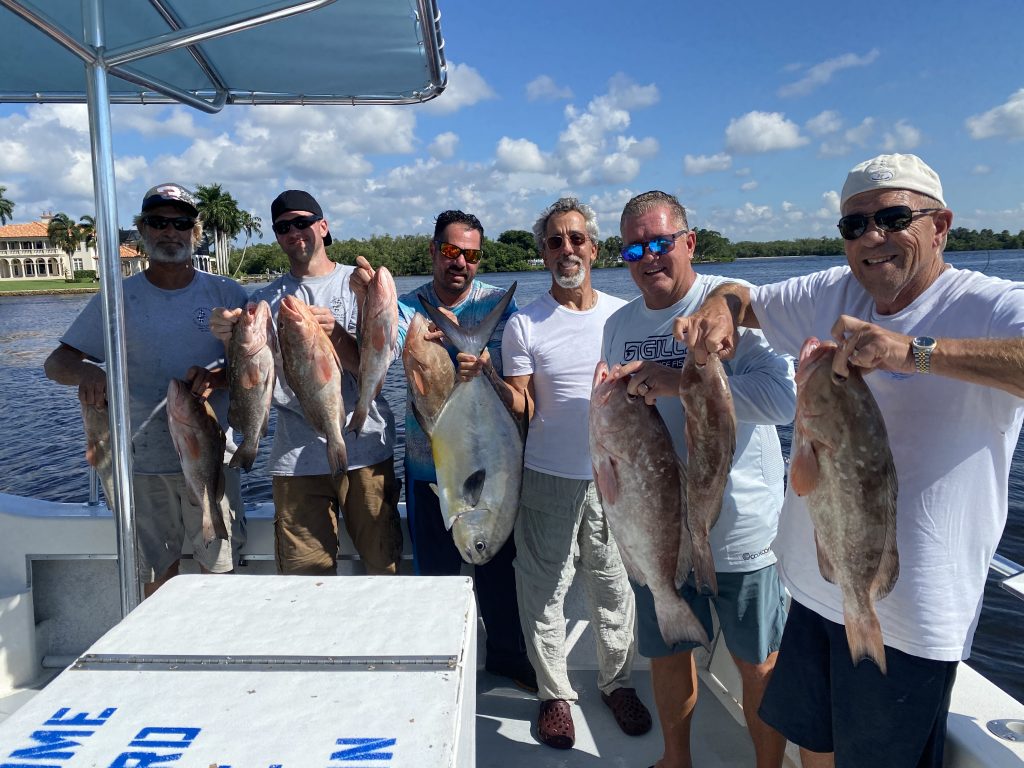
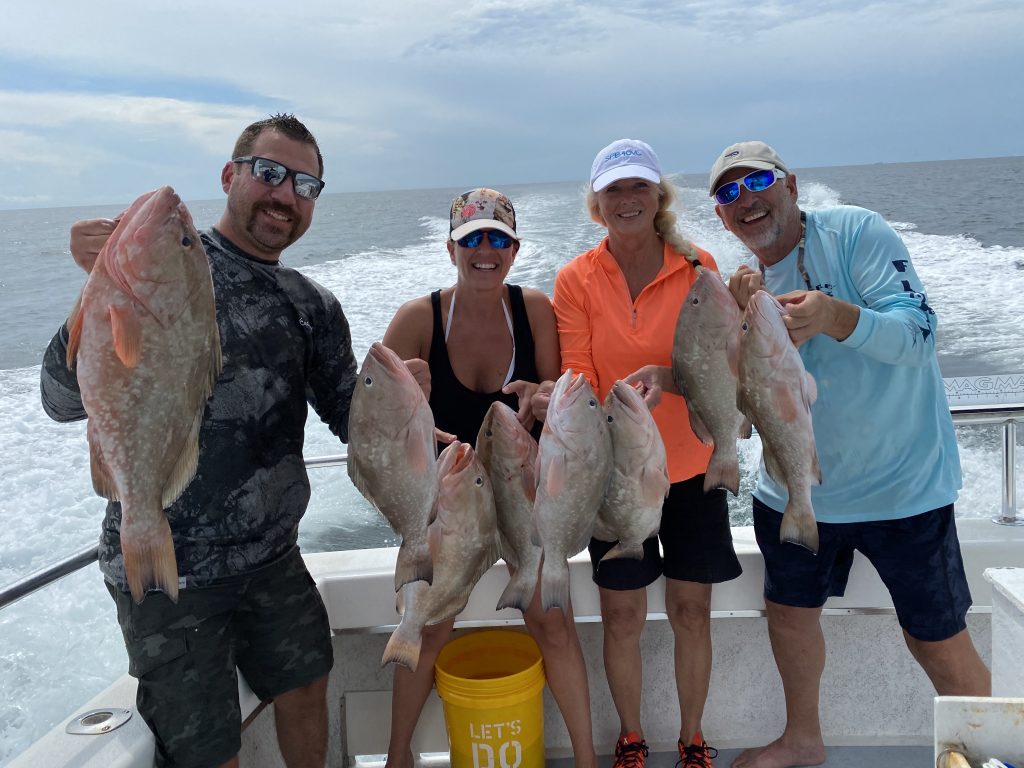
You have just put a keeper grouper or a box of snapper in the cooler, and one question suddenly matters more than bait selection: do charters clean fish? For most guests, especially families and visitors flying into Naples or Marco Island, the answer can shape the entire plan for dinner, storage, and travel after a great day offshore.
Many fishing charters do offer fish cleaning as part of the trip or as an available service, but the details are not universal. Some crews fillet and bag your legal catch at the dock. Others provide basic cleaning, charge a per-fish fee, or direct guests to a nearby fish market. The right move is simple: ask before you book so there are no surprises when the boat comes in.
Do Charters Clean Fish After the Trip?
A professional charter crew often handles the practical work after the catch, including keeping fish cold, sorting legal fish from releases, and preparing eligible fish for the ride home. On many offshore trips, that means the mate will fillet the fish at the dock and package the fillets in bags for the group.
That service is a major convenience. You get to enjoy the fishing, while the crew manages the messy, time-consuming part with the proper knives, work area, and experience. It is especially helpful after a full day targeting Gulf species such as snapper, grouper, kingfish, amberjack, or permit.
Still, fish cleaning is not a guaranteed industry-wide standard. A charter’s policies can vary based on dock rules, the type and number of fish caught, local disposal procedures, the timing of the return, and whether the crew has another trip to prepare for. Always confirm what is included in your specific charter.
What Fish Cleaning Usually Means
“Fish cleaning” can mean different things, so it helps to know what you are asking for. In most cases, it means the crew will fillet your retained fish, remove the skin when appropriate, and place the fillets into bags. The fish may be portioned in a practical way for grilling, frying, baking, or freezing at your rental home.
Fillets are common, but preparation varies
A mate may leave larger fillets whole rather than cutting them into meal-size portions. Some anglers prefer skin-on fillets for grilling, while others want skin removed. If you have a preference, mention it before the crew starts cleaning. It takes only a moment to ask, and it can make dinner much easier.
Cleaning also does not necessarily include vacuum sealing, ice, a cooler, or cooking instructions. Those are separate details worth asking about, particularly if you are staying at a hotel or plan to travel with your catch.
Only legal fish can come home
The crew’s first responsibility is following current fishing regulations. Size limits, bag limits, seasonal closures, and species rules determine what may be kept. A fish can be exciting to catch and still need to be released. Experienced captains and mates know the regulations and help guests stay within them, which protects both the fishery and your trip.
If a fish is legal to retain, the crew will generally make sure it is cared for properly from the moment it comes aboard. Keeping the catch cold is as important as the final filleting job. Good handling helps preserve the flavor and quality of the fish you worked hard to catch.
Why Charter Policies Are Not All the Same
A small inshore boat, a head boat carrying many anglers, and a private offshore sportfishing charter may each handle fish cleaning differently. The size of the group, the vessel’s schedule, and the distance from the fishing grounds all affect the routine at the dock.
On a private Naples offshore trip, the crew has more opportunity to work directly with your group and explain the catch. On a busy shared trip, fish may need to be tagged, separated, or processed under a more structured system. Neither approach is automatically better. The best choice depends on whether your priority is personal service, group size, trip length, and the kind of fishing you want to do.
A&B Charters operates private offshore trips, which gives groups the benefit of a captain and mate focused on their day on the water rather than a crowded boat’s worth of separate catches. Before your trip, confirm the current fish-cleaning arrangement along with what packaging is provided and where the crew will hand off the fillets.
Ask These Questions Before You Reserve
A quick conversation before booking prevents the most common post-trip confusion. Ask whether fish cleaning is included, whether there is an additional charge, and whether the crew bags the fillets. If you are staying somewhere without a kitchen, ask if the captain recommends a nearby restaurant or market that can prepare your catch.
It is also smart to ask what you should bring. A small cooler is useful for transporting fillets from the dock to your condo, hotel, or vacation rental. For a short ride, a cooler with ice packs may be enough. In Southwest Florida heat, though, do not leave fresh fish sitting in a vehicle while your group shops, checks in, or heads to the beach.
If you are bringing children or first-time anglers, explain that not every fish caught will be kept. That expectation makes the experience better. The thrill is in the action, the learning, and the chance to bring home a legal dinner – not in filling a cooler at any cost.
Taking Your Catch From Dock to Dinner
Fresh Gulf fish deserves a simple plan. Once you receive the fillets, get them chilled promptly. If you will cook them that night or the next day, keep them cold in a refrigerator. If your plans change, freeze them as soon as possible for better quality later.
For visitors, cooking the catch the same evening can become one of the best parts of the vacation. Mild snapper is excellent baked, grilled, blackened, or lightly fried. Grouper holds up beautifully in sandwiches, tacos, and grilled fillets. Kingfish has a richer flavor and is often best enjoyed fresh. The captain or mate may offer species-specific suggestions after seeing what came over the rail.
Traveling home with fish requires more planning. Airline rules, luggage limits, and the amount of time until you reach a freezer all matter. Do not assume a bag of fillets will be suitable for a long day of travel. If taking fish home is a priority, discuss it before the trip and bring the right cooler or travel container.
A Good Catch Deserves Good Crew Etiquette
Fish cleaning is skilled work, and it often happens after the crew has spent hours rigging lines, netting fish, untangling tackle, monitoring safety, and helping everyone on board. If the mate provides attentive service and cleans your catch, a tip is customary and appreciated. The amount depends on the level of service, the size of your group, and local practice, but guests commonly treat the mate much as they would other hospitality professionals.
The easiest way to finish a charter day is to communicate clearly: tell the crew what you would like done with the legal fish, ask about packaging, and have a cooler ready. Then you can step off the boat with more than photos and fish stories – you can head into the evening with a fresh Gulf meal worth remembering.
Discover more from Naples Fishing Charters | Deep Sea Fishing
Subscribe to get the latest posts sent to your email.