A good offshore day starts long before the first line goes in the water. Families and first-time anglers often ask, are offshore charters safe? The honest answer is yes, when you choose a professionally operated charter, respect the captain’s decisions, and prepare for the conditions. Offshore fishing comes with real variables – weather, sea state, distance from shore, and the physical demands of being on a moving boat – but an experienced crew plans around them every day.
For guests heading out of Naples or Marco Island, safety should not take the fun out of the trip. It should be part of what makes the day enjoyable. A capable boat, knowledgeable captain, prepared mate, and clear plan let your group focus on the action: watching the horizon, dropping baits over productive Gulf structure, and waiting for that first hard pull from a grouper, snapper, kingfish, or amberjack.
Are Offshore Charters Safe When Conditions Change?
The Gulf of Mexico can look calm at the dock and feel very different miles offshore. Wind direction, wave period, afternoon storms, currents, and changing forecasts all affect whether a trip is comfortable and appropriate. That is why the captain’s judgment matters more than a weather app screenshot from the night before.
A professional captain monitors forecasts before departure and continues watching conditions on the water. If the forecast does not support a safe trip, the right call may be to cancel, reschedule, shorten the trip, or fish closer to shore. It can be disappointing to change plans on vacation, especially when everyone is ready to fish. Still, no quality catch is worth pushing into conditions that are beyond the boat’s safe operating range or the comfort level of the guests aboard.
There is an important distinction between a safe trip and a glass-calm trip. A little movement is normal offshore, and some guests may find it bumpy even when the captain considers conditions safe. If anyone in your group is uneasy on boats, prone to motion sickness, very young, or has a medical concern, discuss it with the charter before booking. A half-day trip or a day with a gentler forecast may be a better fit than trying to force a long run offshore.
The Boat and Crew Make the Biggest Difference
Not all fishing charters provide the same offshore platform. A larger, purpose-built sportfishing boat generally offers more deck space, a steadier ride, more protection from sun and spray, and more room for guests to move around safely. That does not mean a smaller boat is automatically unsafe. It does mean the vessel should match the distance offshore, expected conditions, passenger count, and type of fishing being offered.
When evaluating a charter, ask what kind of boat you will be on and how many people it carries. You want clear answers, not vague promises. A clean, well-maintained vessel with a shaded deck, secure handholds, non-slip walking surfaces, a private restroom, and a cabin can make a meaningful difference over several hours on the Gulf. Comfort is not just a luxury offshore. Guests who can get out of the sun, hydrate, use the restroom, and sit down when needed are better able to enjoy the trip safely.
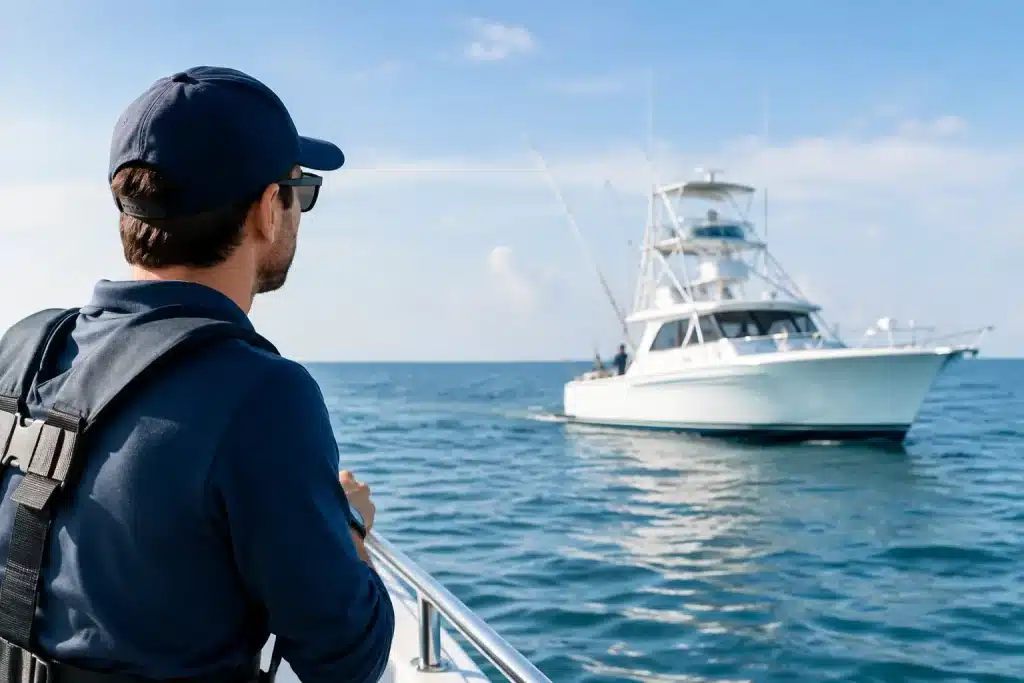
Crew experience is equally important. A captain who has spent years fishing local waters knows the routes, reefs, weather patterns, seasonal fish movements, and places where conditions can change quickly. The mate’s role matters too. A good mate helps guests move safely around the deck, teaches proper rod handling, manages hooks and tackle, and stays alert while fish are coming over the rail.
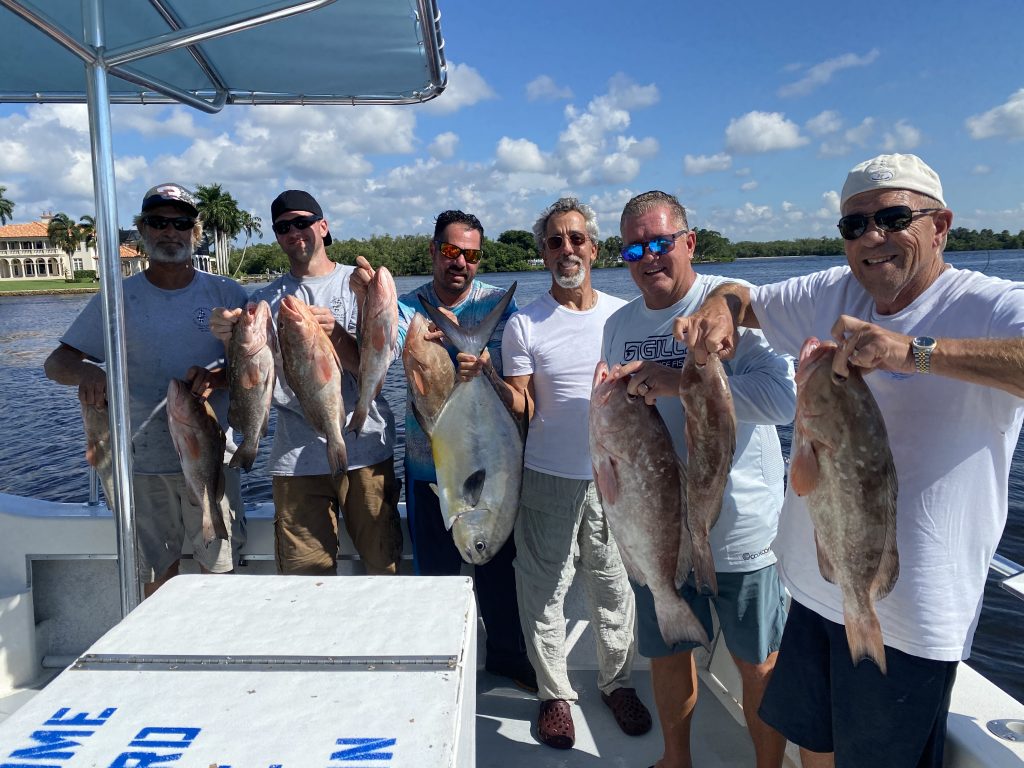
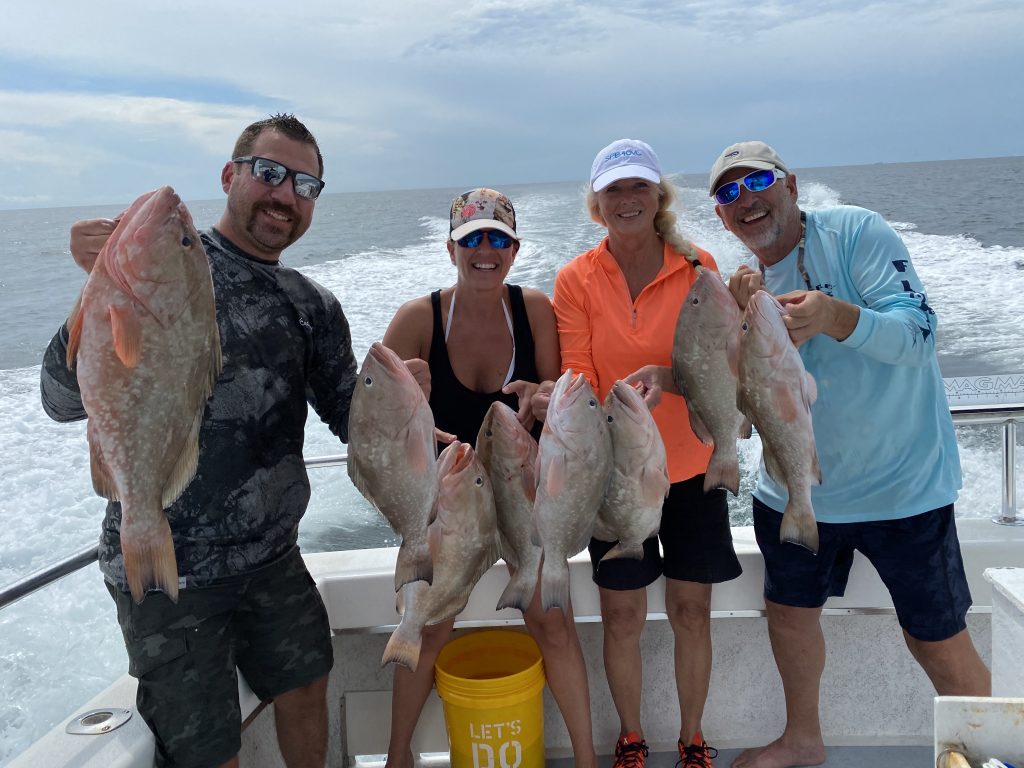
A&B Charters has been taking guests fishing in Southwest Florida since 1977, with a custom 40-foot sportfisherman designed for offshore comfort and room for larger private groups. That kind of long-term local experience cannot eliminate every weather variable, but it helps turn a day on the water into a well-managed, welcoming experience rather than a guessing game.
Safety Equipment Should Be Ready, Not Just Onboard
Every legitimate charter should carry required safety equipment and keep it accessible, maintained, and appropriate for its operation. Guests do not need to inspect every compartment or quiz the crew like a surveyor, but you should feel comfortable asking simple questions before booking.
A professional charter should be able to explain its safety procedures, passenger capacity, and what happens if weather changes. Coast Guard-compliant equipment is a baseline, not a marketing extra. Depending on the vessel and trip, that includes properly sized life jackets, communication equipment, signaling gear, fire safety equipment, first-aid supplies, navigation electronics, and emergency procedures.
Before leaving the dock, listen to the safety briefing. It may be brief, particularly with an experienced crew, but it matters. Pay attention to where life jackets are stored, how to move around the boat, which areas are off limits while underway, and what to do if someone feels sick or needs help. Parents should make sure children understand these instructions in language they can follow.
Do not hesitate to tell the crew about concerns early. Mention mobility limitations, medications that may cause drowsiness, severe allergies, pregnancy, a child who cannot swim, or anyone who has never been on a boat. The crew cannot plan around information they do not have. A private charter is especially helpful because the day can be paced around your own group rather than a mixed crowd of strangers.
Your Group Plays a Role in Offshore Safety
The crew handles navigation, fishing grounds, boat operation, and safety decisions. Guests still have a responsibility to make sensible choices. Offshore fishing involves heavy rods, sharp hooks, slippery fish, moving decks, sun exposure, and occasional rough water. A few simple habits go a long way.
Wear soft-soled shoes with good grip, protect yourself from the sun, and bring more water than you think you will need. Avoid excessive alcohol before and during the trip. Alcohol and offshore conditions are a poor combination because dehydration, fatigue, and motion can affect judgment quickly.
When the boat is moving, keep one hand available for a rail or secure point of contact. Walk instead of rushing, especially when the deck is wet. When a fish is hooked, let the mate guide you. Guests are often excited to grab a leader, touch a fish, or crowd the rail for photos, but this is when hooks, lines, and fish movements can become unpredictable.
For motion sickness, preparation works better than reacting after symptoms begin. Consider an over-the-counter remedy after speaking with your doctor or pharmacist, and follow the label directions. Eat a light meal beforehand, stay hydrated, look toward the horizon, and spend time in fresh air rather than inside the cabin if you begin to feel uneasy. Let the crew know early. They have seen it all and would rather help you get comfortable than have you quietly struggle through the trip.
Questions Worth Asking Before You Book
The best safety conversations happen before you arrive at the marina. Look for a charter that is direct about its boat, crew, trip length, group size, and weather policy. If the answers feel rushed or unclear, keep looking.
Ask whether the trip is private, how far offshore the plan may run, and whether the boat has shade, a restroom, and cabin space. Find out what gear is provided and whether a mate will be available to assist beginners. For families, ask about age recommendations and whether the crew is comfortable helping kids learn to fish. For corporate groups or larger parties, confirm the passenger capacity and make sure there is room for everyone to move comfortably.
It is also reasonable to ask what happens if the weather does not cooperate. A reputable captain will not guarantee the forecast, the bite, or a specific offshore destination. What they can offer is honest communication and sound decisions based on current conditions.
A Safe Trip Is One You Do Not Have to Overthink
Offshore fishing should bring a little anticipation. You are heading into open Gulf water, after all, and that is part of the adventure. But it should not feel uncertain because the operation itself is uncertain. The right charter makes the day feel organized from the moment you step aboard: gear ready, crew attentive, safety equipment in place, and a captain focused on both the fishing and the ride home.
Choose experience over the cheapest listing, be honest about your group’s needs, and give the captain room to make the weather call. Then bring your sense of adventure, listen to the crew, and enjoy the kind of Gulf fishing day your group will be talking about long after the fish stories get bigger.
Discover more from Naples Fishing Charters | Deep Sea Fishing
Subscribe to get the latest posts sent to your email.