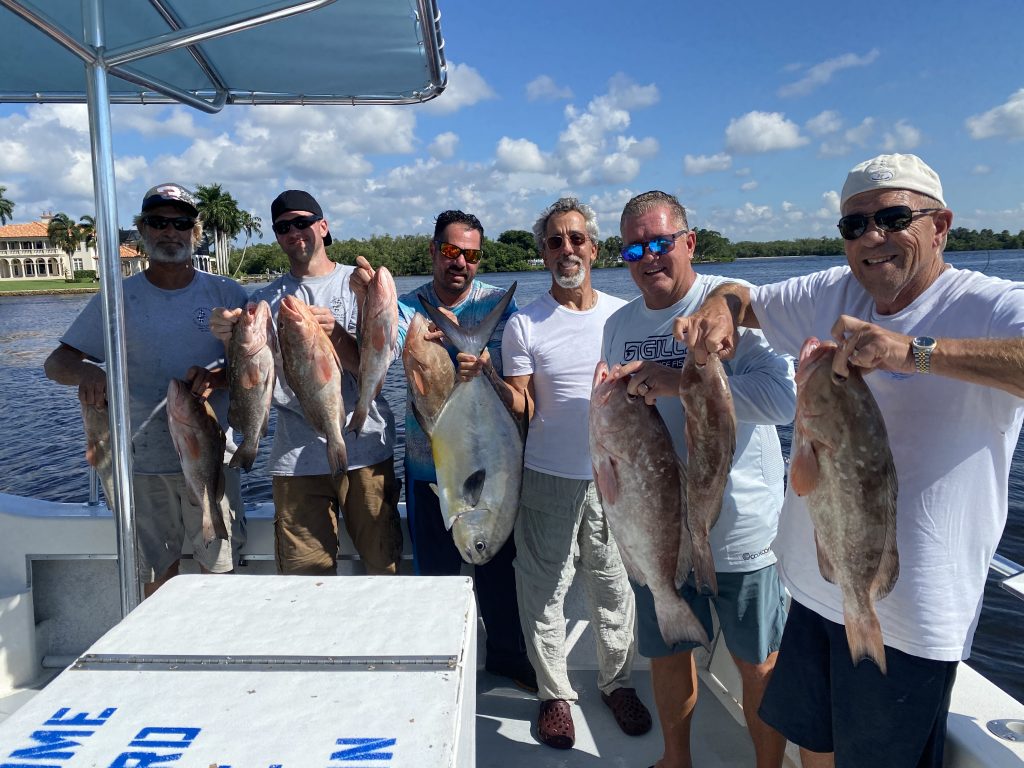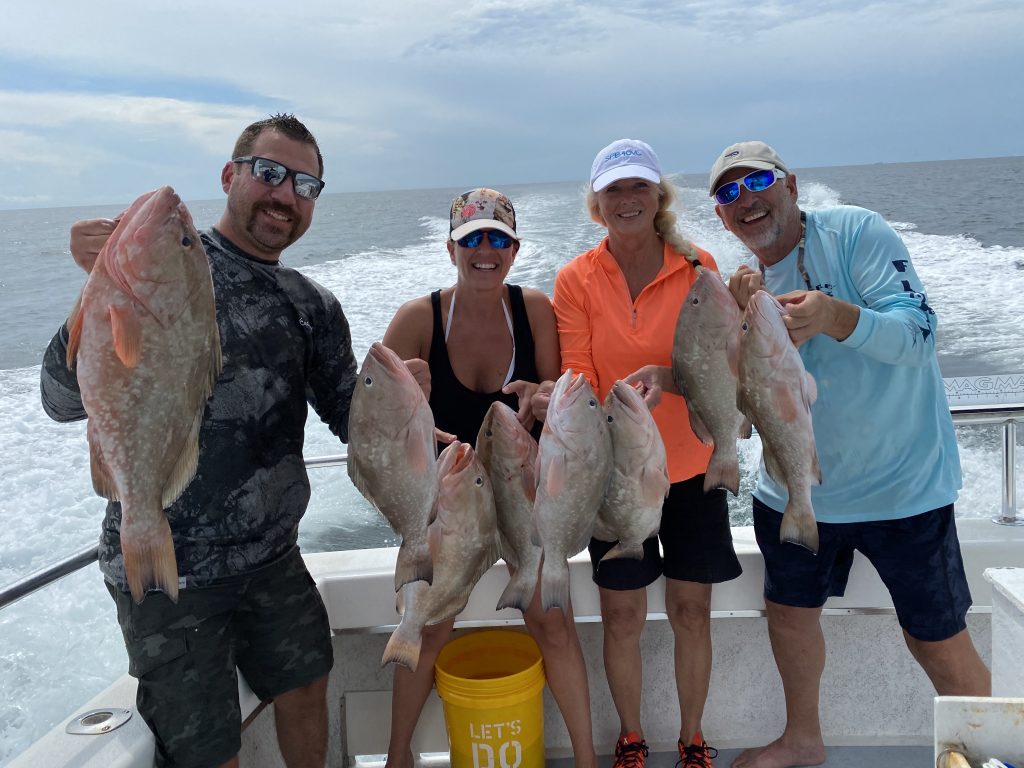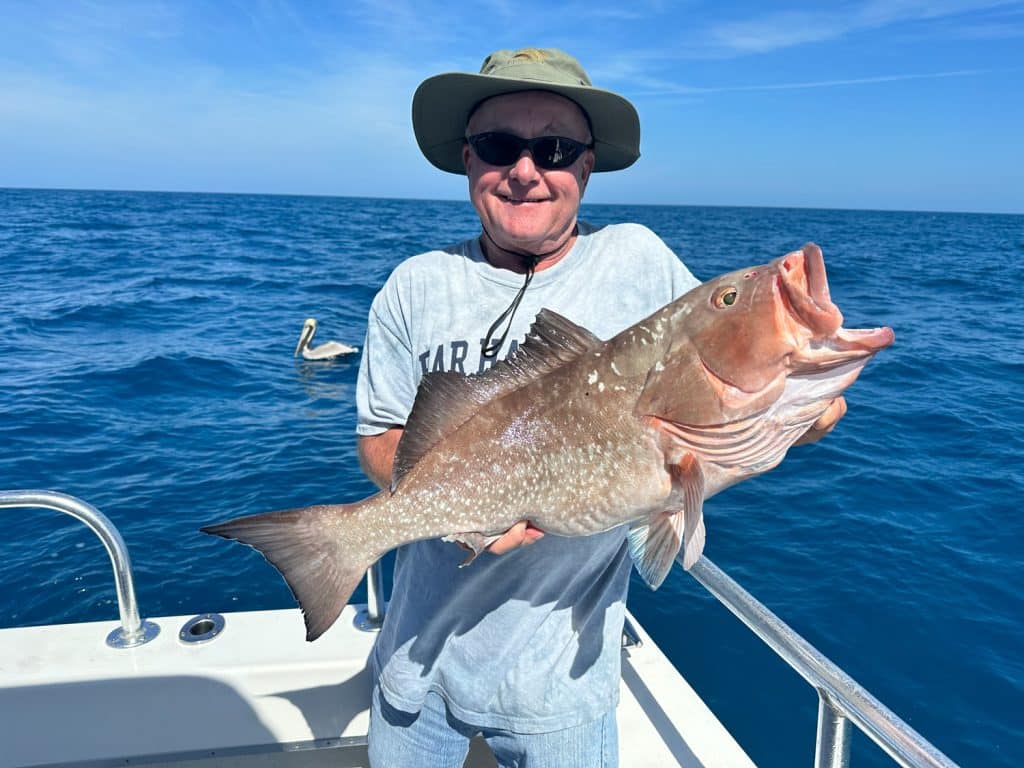
The bite can change in a matter of minutes over a Gulf wreck. One drift produces a mangrove snapper, the next brings a hard-running amberjack or a grouper headed straight back to the rocks. That is what makes Gulf bottom fishing techniques so rewarding: success comes from putting a bait precisely where fish live, recognizing the bite, and reacting before a strong fish takes control.
Off Naples and Marco Island, bottom fishing is less about blind luck than many first-time anglers expect. The Gulf floor holds ledges, hard bottom, reefs, wrecks, and artificial structure, all of which give baitfish a place to gather and predators a reason to stay close. A knowledgeable crew handles the offshore run, electronics, rigging, and positioning, leaving guests free to enjoy the part that matters most – feeling that first thump and getting the fish to the boat.
Start With the Bottom, Not the Bait
Bottom fish relate to structure for food and protection. Grouper often hold tight to a ledge, rock pile, or wreck opening. Snapper may suspend just above the structure and move with the current. Amberjack frequently patrol higher around a wreck, ready to punish an easy meal.
That means a good drop begins with boat position. Current, wind, water depth, and the amount of line in the water all affect where a bait lands. If the boat is drifting, the captain may set up well ahead of the target so the bait reaches the productive zone rather than swinging past it. When conditions allow, holding position over structure makes it easier to keep several anglers in the strike zone.
Modern electronics help locate depth changes and mark fish, but reading the bottom is still an active job. Pay attention when the captain or mate says the boat is coming over a ledge or wreck. Have your bait ready before the call comes. A bait dropped late may miss the structure entirely.
Keep Your Bait in the Zone
Once the sinker touches bottom, reel up just enough to keep the bait from dragging. Usually, that means a turn or two of the reel, though the right distance depends on the current and how fish are holding. Too much slack makes bites hard to detect and lets the rig snag more easily. Holding the bait too high can put it above grouper and other fish feeding close to the bottom.
The goal is controlled contact. Keep a light feel on the line, with the rod held where you can sense a tap, a heavy pull, or the sudden slack that sometimes signals a fish swimming upward with the bait.
Match the Rig to Gulf Conditions
A standard bottom rig is simple for a reason: it works. The basic setup uses a sinker to reach bottom, a leader to present the bait naturally, and a strong circle hook suited to the target species. From there, the crew adjusts weight, leader strength, hook size, and bait based on depth, current, water clarity, and what is biting.
In stronger current, a heavier sinker may be necessary to get down quickly and stay near the target. The trade-off is that too much weight can make it harder to feel a subtle snapper bite. In calm water, a lighter presentation may look more natural, but it can drift away from the structure if the boat begins moving.
Live bait, cut bait, squid, and other natural offerings all have their place. A lively bait can trigger aggressive strikes around wrecks, while a well-cut piece of bait may hold up better when smaller fish are pecking at it. There is no single best bait for every day. The productive choice is the one the fish are eating in the conditions right in front of you.
Let Circle Hooks Do Their Job
Circle hooks are common on Gulf charters because they tend to catch fish securely in the corner of the mouth when used correctly. The biggest mistake is trying to set the hook with a dramatic upward jerk. When you feel steady pressure, reel smoothly and raise the rod with purpose. Let the hook rotate into position as the fish moves away.
A quick hook-set can pull the bait free, especially with snapper that often peck before committing. Patience for one extra second can be the difference between a missed bite and a fish in the box.
Recognize the Bite Before It Becomes a Break-Off
Not every bite feels the same. Snapper can tap rapidly, often picking at bait before taking it. Grouper may hit with a heavy, unmistakable thump, then immediately try to drive back into the structure. Amberjack often strike hard and run with enough power to make the rod feel suddenly alive.
For lighter nibblers, keep the rod tip steady and wait for the line to load. For a hard grouper bite, engage quickly and apply firm pressure. The first few seconds are critical because a grouper that reaches a hole, ledge, or wreck can rub through the leader or lock itself into cover.
This is where good technique is physical, not complicated. Keep your feet planted, point the rod at a useful angle, and reel when the rod is lowered. Avoid giving a powerful fish unnecessary slack. If the fish surges, let the drag work rather than trying to stop it with brute force.
Fight Fish With Pressure and Patience
Many anglers lose strong bottom fish by pumping the rod too high or reeling against the drag. A better approach is a steady lift-and-reel rhythm. Raise the rod to gain line, lower it while reeling, and maintain constant pressure throughout the fight.
With grouper, the objective is to turn the fish away from structure immediately. With amberjack, expect a longer, tougher fight in open water. Snapper can surprise anglers with fast runs near the boat, so do not assume the fish is finished until it is within netting range.
Your mate will often guide the final moments: keep the fish’s head coming up, do not lift its head from the water too early, and leave room for the net. Following those instructions helps protect the fish, the tackle, and the people around you.
Gulf Bottom Fishing Techniques for Families and Beginners
First-time anglers do not need to arrive knowing knots, rigs, or bottom contours. On a professionally guided trip, the crew prepares the gear and explains each step before the first bait goes overboard. The best approach for beginners is to listen closely, keep questions coming, and focus on feeling the line instead of staring only at the rod tip.
For families and mixed-age groups, bottom fishing is especially appealing because there is frequent action and a real chance at a variety of species. One person may catch snapper while another hooks a grouper or kingfish passing through the area. It keeps the day active without requiring guests to bring their own boat or spend years learning offshore navigation.
Comfort matters, too. Offshore fishing is more enjoyable when there is shade, room to move around, a clean restroom, and a crew that can help each angler safely. A larger sportfishing platform also gives groups space to fish without feeling crowded when the bite turns on.
Timing, Seasons, and the Value of Local Knowledge
The Gulf offers bottom-fishing opportunities through much of the year, but the most productive technique changes with weather, water temperature, bait movement, and fishing regulations. Some species have seasonal closures, size limits, or bag limits, and those rules can change. A responsible charter crew stays current on regulations and targets what can be legally and responsibly kept.
Weather also shapes the plan. A calm morning may allow access to deeper structure, while a breezier day can make nearer reefs and protected routes the smarter choice. The right trip is not always about running the farthest offshore. It is about fishing the best water safely and efficiently for the conditions.
That local decision-making is a major advantage of fishing with experienced captains who spend their working lives on these waters. At A&B Charters, the crew can adjust the plan around the day’s conditions while helping every guest, from a first-timer to a seasoned angler, get the most from each drop.
The next time your bait reaches the Gulf floor, resist the urge to simply wait. Feel the bottom, stay ready for the strike, and trust the steady rhythm of a controlled fight. The fish are down there for a reason, and the right presentation can turn one small tap into the story everyone tells after the trip.
Discover more from Naples Fishing Charters | Deep Sea Fishing
Subscribe to get the latest posts sent to your email.