A bent rod is a bent rod, but the water beneath the boat can make a very different kind of fishing day. When comparing deep sea vs reef fishing, most Naples and Marco Island visitors are really asking a practical question: which trip gives their group the best mix of action, target species, travel time, and comfort?
The answer depends on who is coming aboard and what they hope to catch. Some anglers want to work live bait around bottom structure for snapper and grouper. Others want the open-water excitement of kingfish, amberjack, and larger offshore opportunities. Both can produce a memorable Gulf day when the captain matches the plan to conditions, season, and the people on the boat.
Deep Sea vs Reef Fishing: The Real Difference
The terms are often used as if they describe two completely separate activities. On the Gulf Coast, there is plenty of overlap. Many productive offshore fishing grounds are reefs, wrecks, ledges, hard bottom, and other underwater structure located well beyond the beach.
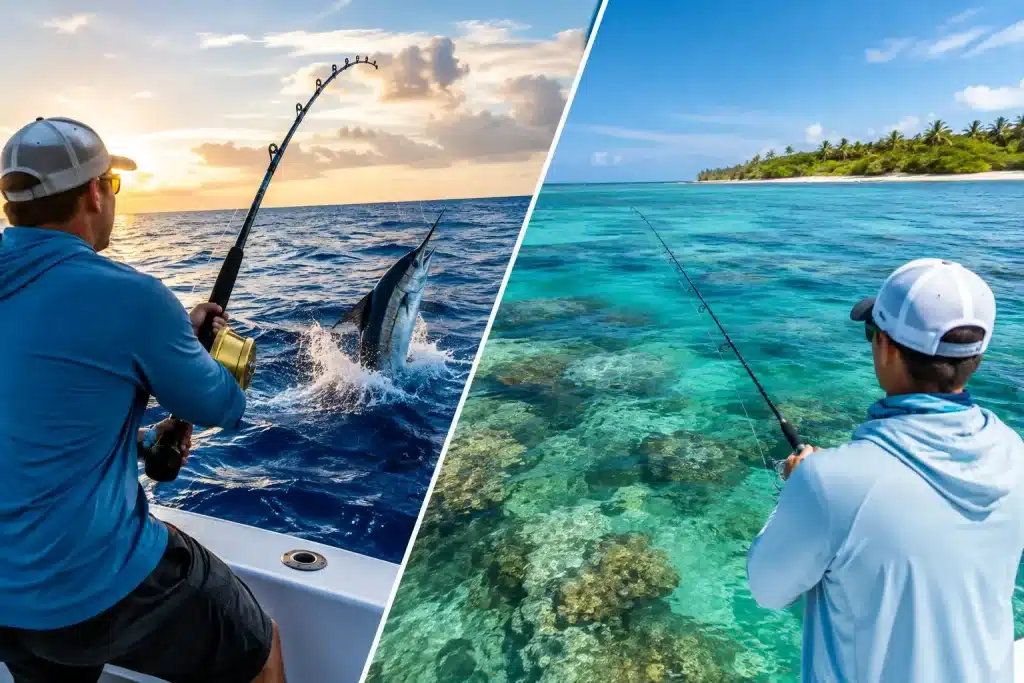
Reef fishing describes where and how you fish. The boat is positioned over structure where baitfish gather and predators feed. Anglers commonly send baits down toward the bottom or fish around the edges of a wreck or ledge. It is a focused, hands-on style of fishing that can keep the rods busy when fish are holding tight to a spot.
Deep sea fishing generally refers to the broader offshore experience. It may include reef and bottom fishing, but it can also involve trolling or drifting in open water for pelagic fish. The boat may travel farther offshore, fish deeper water, or switch techniques based on what is biting that day.
For a private charter in Naples or Marco Island, your captain may use both approaches on the same trip. That is often the best way to give a group more opportunities rather than forcing the day into one narrow category.
What You Can Catch on a Reef Trip
Reef fishing is a favorite for families, first-time anglers, and anyone who wants a good chance at steady action. Reefs and bottom structure create dependable feeding areas, which means the crew can use their local knowledge and electronics to put baits where fish are likely to be holding.
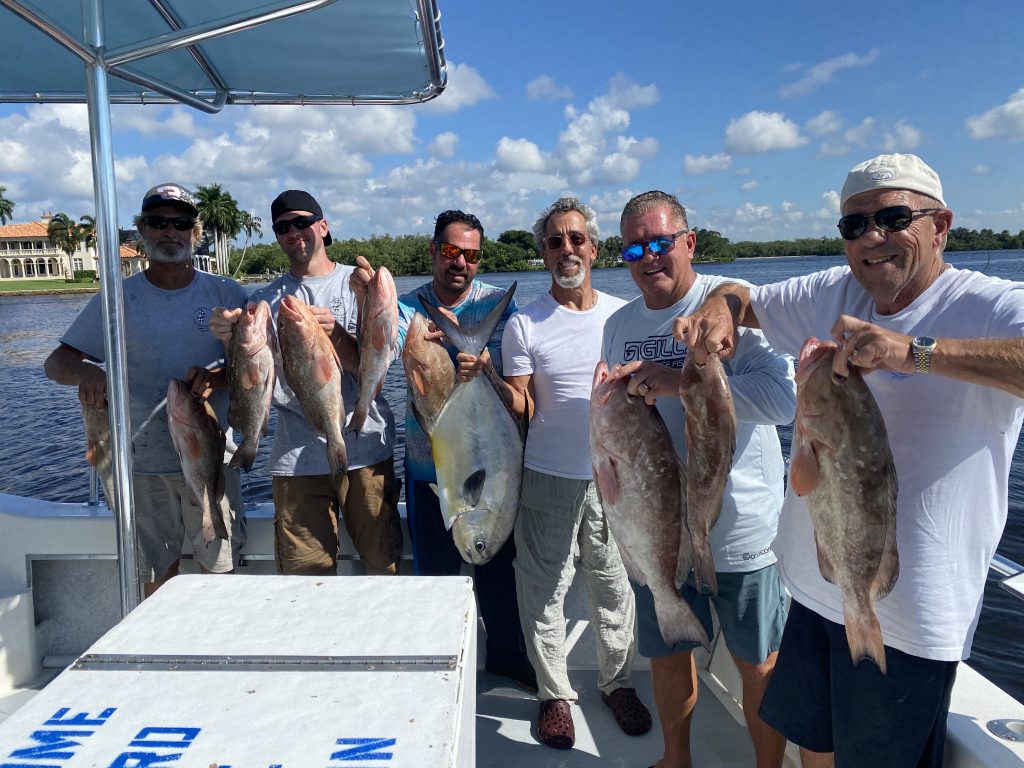
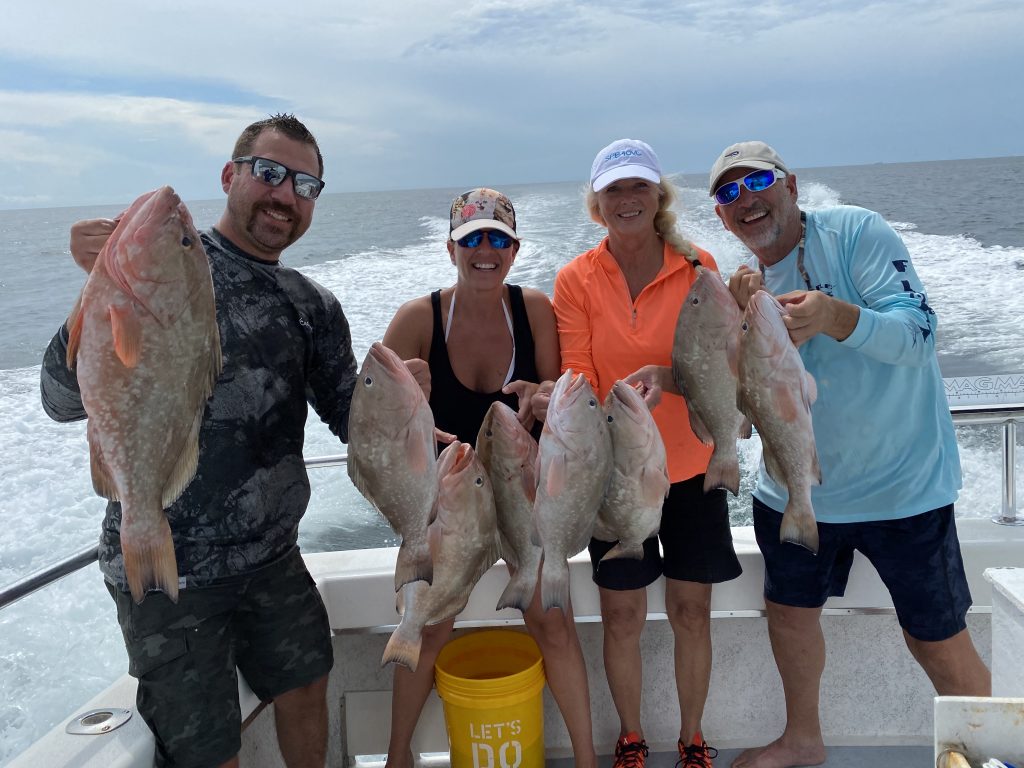
Common Gulf targets include mangrove snapper, lane snapper, yellowtail snapper, red grouper, gag grouper, grunts, triggerfish, and occasional larger surprises. Depending on the location and season, permit, cobia, amberjack, and even goliath grouper may also show up around substantial wrecks or structure.
There is a satisfying rhythm to this kind of fishing. The mate helps get the bait down, anglers feel for the bite, and the action often happens quickly once a school moves beneath the boat. Snapper fishing can be especially rewarding for newer anglers because the bite is easy to recognize and the fish make excellent table fare when they are in season and within regulations.
The trade-off is that reef fish know where to hide. Grouper and larger bottom fish often head straight for the structure after they bite. Landing them takes quick pressure, a tight line, and help from an experienced crew. That challenge is part of the fun, especially when a fish refuses to come up without a fight.
What to Expect From Deep Sea Fishing
Deep sea fishing opens the door to more open-water possibilities. Rather than staying strictly over a reef, the captain may troll, drift, or move between offshore areas in search of active fish. The target list can include king mackerel, amberjack, bonito, blackfin tuna, mahi-mahi when conditions and season allow, and other hard-running species.
This style often delivers the visual excitement many people picture when they think of an offshore charter. A kingfish strikes a trolled bait at speed. An amberjack hits near a wreck and tests everyone’s arms. A school appears on the surface, and suddenly every angler is ready for the next rod to go off.
It can also require more patience. Open-water fish move with bait, current, temperature, and weather patterns. Some days they are concentrated and aggressive. Other days, the captain may cover more ground before finding the right bite. A seasoned crew makes a major difference here because they are reading conditions, watching for signs of life, and adjusting the plan instead of simply repeating yesterday’s route.
Deep sea trips can involve a longer ride than a nearshore reef outing, particularly when the goal is to reach deeper water or specific offshore grounds. That does not mean every trip needs to be all-day. A well-planned half-day charter can still provide excellent fishing, while a full-day trip gives the crew more time and range to pursue a wider variety of species.
Trip Length Changes the Decision
For many groups, trip length matters more than the label on the fishing style. A half-day trip is a strong fit for families with younger children, first-time anglers, or visitors who want offshore fishing without committing their entire day. The captain can target productive nearby structure and keep the experience active and approachable.
A full-day trip gives the crew greater flexibility. There is more time to run farther, wait out a slow period, change tactics, and fish multiple locations. That can be valuable for experienced anglers hoping for grouper, amberjack, kingfish, or a mixed catch that requires moving between bottom structure and open water.
If your group includes both serious anglers and people who mainly want a comfortable day on the Gulf, do not assume the longest trip is automatically the best choice. The right trip is the one that keeps everyone engaged. A shorter trip with consistent bites can be more memorable than a long day spent chasing one specific fish that never cooperates.
Comfort Matters More Offshore
The Gulf can be beautiful, but it is still open water. A comfortable, professionally equipped sportfishing boat changes the experience, especially for mixed-age groups and people new to offshore fishing.
Space to fish without crowding, shade from the Florida sun, a private restroom, and a full cabin give passengers room to take breaks when needed. A stable platform also helps when the boat is running offshore or repositioning over a reef. These details may not change what is biting, but they can absolutely change how much your group enjoys the day.
That is one reason larger private charters work well for family reunions, friend groups, and corporate outings. On a boat such as A&B Charters’ custom 40-foot sportfisherman, up to 14 passengers can share the experience without feeling like they are packed onto a small center console. The captain and mate can also spend more time assisting beginners with bait, technique, and fish handling.
How to Choose the Right Fishing Style for Your Group
Choose reef fishing when your priority is bottom action, eating fish, and a hands-on introduction to Gulf fishing. It is an excellent option for beginners because the crew can keep the fishing straightforward while still offering the chance at quality snapper and grouper.
Choose a deeper offshore plan when your group is excited by variety, willing to spend more time traveling, and interested in stronger open-water species such as kingfish or amberjack. A full-day trip is often the better fit if you have a specific trophy target or want the captain to cover more water.
For many private groups, the best answer is not one or the other. Tell the captain who is on board, how long you want to fish, whether anyone is prone to motion sickness, and what would make the day a success. Maybe that means filling the cooler with snapper. Maybe it means watching a child land their first offshore fish. Maybe it means giving a group of friends the kind of fish story they will still be telling at dinner.
Let Conditions Lead the Plan
No captain can promise a particular species on a particular day. Wind, current, water clarity, bait movement, and seasonal regulations all affect the plan. Good charter fishing is not about following a script. It is about making smart choices with the conditions available.
That flexibility is especially valuable in Southwest Florida, where one day may favor bottom fishing over reefs and the next may bring a hot kingfish bite along an offshore edge. Ask what has been producing recently, but trust the crew to make the final call once they are on the water.
Whether the day centers on a reef, a wreck, or deeper Gulf water, the best trip leaves your group with tired arms, good photos, and a reason to come back when the next season brings a new bite.
Discover more from Naples Fishing Charters | Deep Sea Fishing
Subscribe to get the latest posts sent to your email.