The first sound of a good offshore morning is usually the dock coming alive – coolers rolling, tackle being checked, and the crew making sure the boat is ready before the first line hits the water. If you are wondering what happens on a fishing charter, the short answer is that your captain and mate handle the hard parts while you get to focus on the Gulf, the bites, and the stories that start the moment a fish pulls drag.
A private charter is not just a ride offshore with fishing rods on board. It is a guided day built around finding fish safely, helping every angler participate, and making the time on the water comfortable for your group. The exact trip changes with the season, weather, distance offshore, and what is biting, but a well-run Naples fishing charter follows a dependable rhythm.
What Happens on a Fishing Charter From Dock to Dock
You meet the crew and get settled aboard
Your day begins at the marina, where the captain and first mate welcome your group aboard, go over the plan, and help everyone get comfortable. This is a good time to ask questions, especially if it is your first deep sea fishing trip. Let the crew know who has fished before, who may be worried about motion sickness, and whether children or guests need a little extra help.
On a private offshore boat, there is room to settle in before heading out. A&B Charters fishes from a 40-foot sportfisherman with a shaded fishing deck, full cabin, private restroom, bunks, and modern electronics. Those details matter once you are running across the Gulf. A comfortable boat gives families, larger groups, and anglers who want a break from the sun a better day than a crowded smaller vessel can provide.
Before departure, the captain covers key safety information: where life jackets are located, how to move around the boat while underway, and what to do if you need assistance. Licensed crews use Coast Guard-compliant safety equipment and make those procedures part of every trip. It is straightforward, but it gives everyone a clear footing before the action begins.
The ride offshore is part of the experience
Once lines are cast off, the boat heads through Naples or Marco Island waters toward the fishing grounds. Depending on the length of your trip and the species being targeted, that run may be brief or may take longer. A half-day trip typically keeps the day efficient, while a full-day charter can allow more time to travel farther, try additional spots, and stay with an active bite.
The captain is not simply driving in a straight line. Offshore fishing is built on local knowledge: bottom structure, wrecks, reefs, currents, water conditions, seasonal patterns, and recent reports. Modern navigation and fish-finding electronics help, but experience tells a captain which areas are worth checking and when it is smart to move.
During the ride, enjoy the view, take photos, have a snack, and listen for the crew’s instructions as the first stop approaches. If anyone is prone to seasickness, it helps to take motion-sickness medication as directed before leaving the dock, stay hydrated, look toward the horizon, and spend time in fresh air rather than staring down inside the cabin.
The crew rigs the gear and shows you what to do
You do not need your own rods, tackle, bait, knots, or offshore fishing knowledge to enjoy a charter. The crew prepares the equipment, rigs baits, and selects tackle that fits the conditions and target species. Your role is much more fun: learn the technique, feel for the bite, and be ready when a fish takes the bait.
For bottom fishing, the mate may show you how to lower a baited line to structure, keep the line controlled, and set the hook when you feel a bite. For trolling, the crew deploys several lines behind the boat and watches closely for a strike. At some spots, anglers may use live bait; at others, cut bait or jigs make more sense.
The instructions are usually simple and practical. Keep your rod tip where the mate recommends, reel when asked, and do not be shy about saying when you feel something unusual. First-time anglers often mistake current or bottom contact for a bite. That is normal, and a good mate will help you learn the difference quickly.
What Happens When the Fish Start Biting
That first hard pull changes the mood on the boat fast. The mate may call out which rod has a fish, clear nearby lines, and guide the angler into position. The person fighting the fish gets hands-on coaching throughout the process: keep the rod tip up, reel as you lower it, maintain steady pressure, and avoid pumping the rod too aggressively.
The fight can last a few seconds or several determined minutes. It depends on the species, the fish’s size, the gear being used, and whether the fish is trying to reach structure below. Grouper are famous for powerful runs toward the bottom. Snapper can deliver quick, sharp bites. Kingfish may take off at speed, while amberjack are known for a stubborn, strength-testing fight. Permit and goliath grouper create their own kind of excitement when conditions and regulations allow an encounter.
The crew stays close without taking the experience away from you. They may adjust the drag, move rods out of the way, or coach you around the boat as a fish nears the surface. At the end, the mate handles the leader or net so the fish can come aboard safely.
You take photos, then handle the catch responsibly
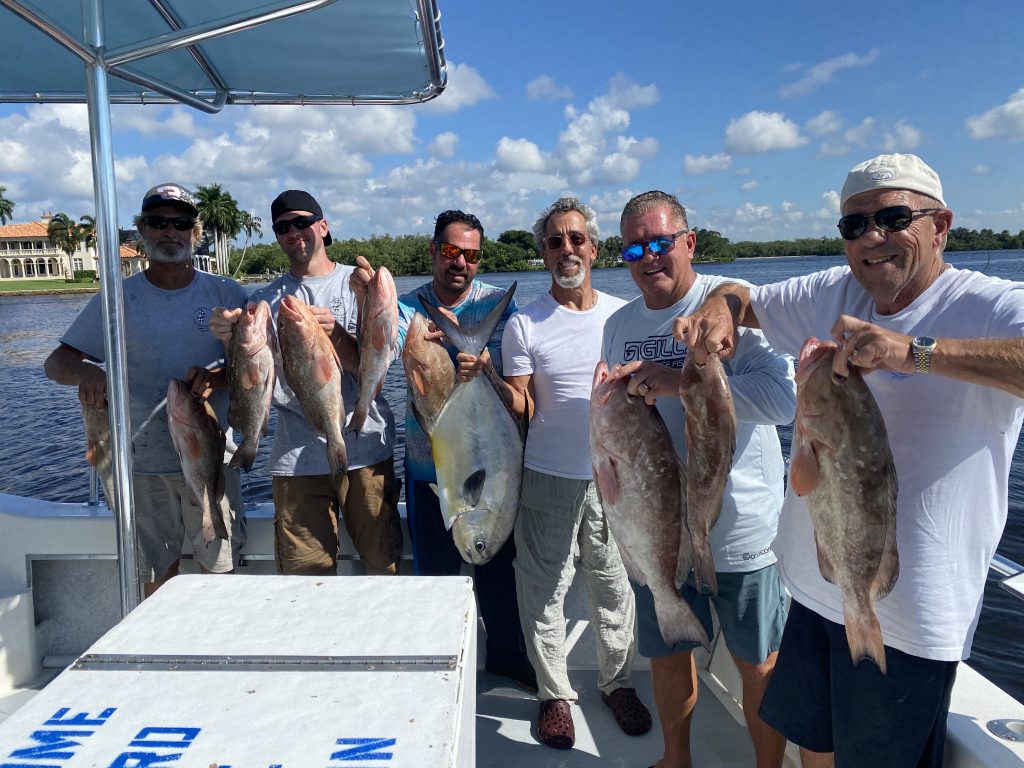
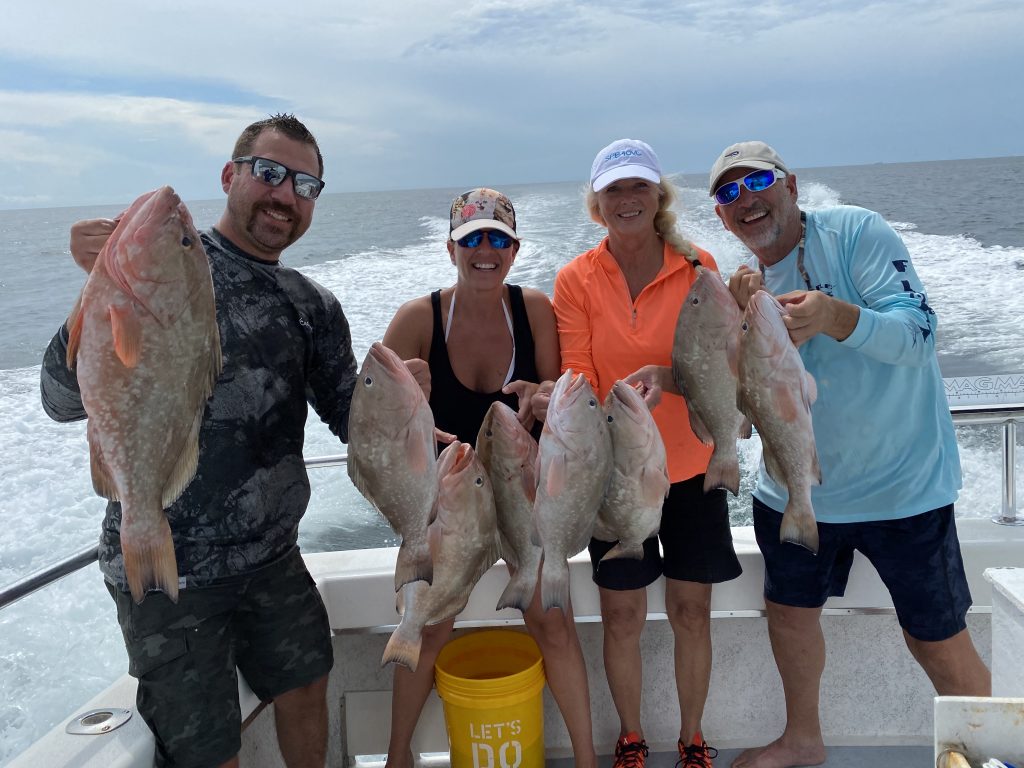
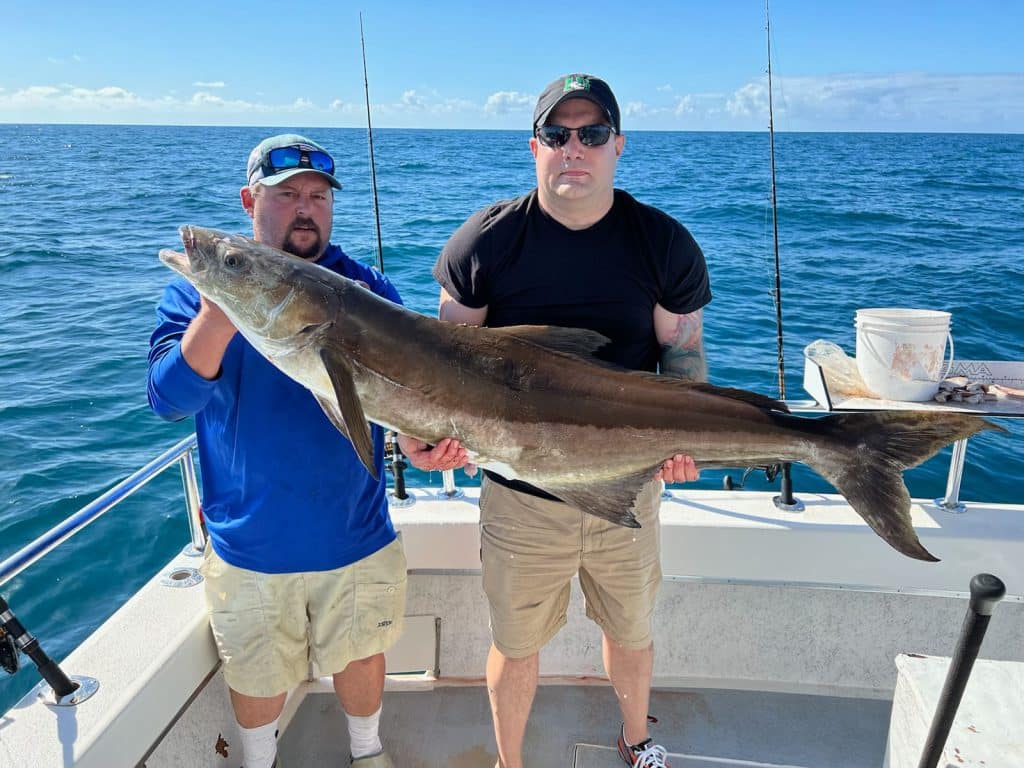
A quality fish deserves a photo, whether it is a family’s first snapper or a hard-fighting amberjack that had everyone cheering. The crew can help position the fish for a quick picture while keeping it handled responsibly.
What happens next depends on the species, current regulations, size limits, bag limits, and the condition of the fish. Some fish may be kept if they are legal and your group wants to take home dinner. Others must be released. Regulations can change, and your captain will make the correct call. Responsible charter fishing means celebrating the catch while respecting the resource that makes these Gulf days possible.
If a fish is being released, the crew works to return it to the water promptly and carefully. If it is a keeper, the fish is placed on ice. At the end of the trip, the crew typically cleans and bags the legal catch so you can take it to a local restaurant that prepares guests’ fresh fish or bring it back to your accommodations.
Fishing Is Rarely Just One Spot
A charter day is active, even during the stretches between bites. If the fish are not cooperating, the captain may relocate to another reef, wreck, ledge, or piece of bottom. Moving is not a sign that anything went wrong. It is often how experienced offshore captains turn a slow stop into a productive one.
Conditions can change quickly in the Gulf. Wind, current, water clarity, bait presence, and boat traffic all influence the decision to stay or go. The crew may switch bait, change rigs, alter the depth being fished, or shift from bottom fishing to trolling. Flexibility is part of the job, and it is one reason local experience matters more than a fixed promise about exactly what will bite.
Groups also have different goals. A family with young children may prefer steady action and shorter turns at the rod. Experienced anglers may want to spend more time targeting larger fish or working a particular technique. Corporate groups often appreciate a comfortable schedule and plenty of opportunities for everyone to participate. Tell the captain what would make the day successful for your group, and the crew can tailor the approach where conditions allow.
Heading Back With a Full Day Behind You
As the charter winds down, rods are secured, the deck is cleaned up, and the boat begins the run back toward shore. This is when guests compare catches, scroll through photos, and replay the one fish that almost made it to the boat. Even a day with changing conditions has a way of becoming the story everyone tells over dinner.
Back at the dock, the crew helps with your catch and makes sure you leave with your belongings, photos, and a clear idea of what you caught. Tips for the mate are customary in the charter industry and are appreciated for the hands-on service of rigging baits, untangling lines, netting fish, and cleaning the catch.
The best way to enjoy your first or next charter is to arrive ready for the weather, listen to the crew, and keep expectations focused on the experience as much as the species list. Bring sun protection, polarized sunglasses, a hat, food and drinks for your group, and a camera. Then let the captain handle the Gulf while you make room for the next strike.
Discover more from Naples Fishing Charters | Deep Sea Fishing
Subscribe to get the latest posts sent to your email.