Your first offshore trip usually starts the same way – excitement at the dock, a few quiet questions you do not want to ask out loud, and the hope that you will not be the person who tangles every line on board. That is exactly why these deep sea fishing tips for beginners matter. A good first trip is not about looking like an expert. It is about staying comfortable, listening to the crew, and giving yourself the best chance to enjoy the day and put fish in the boat.
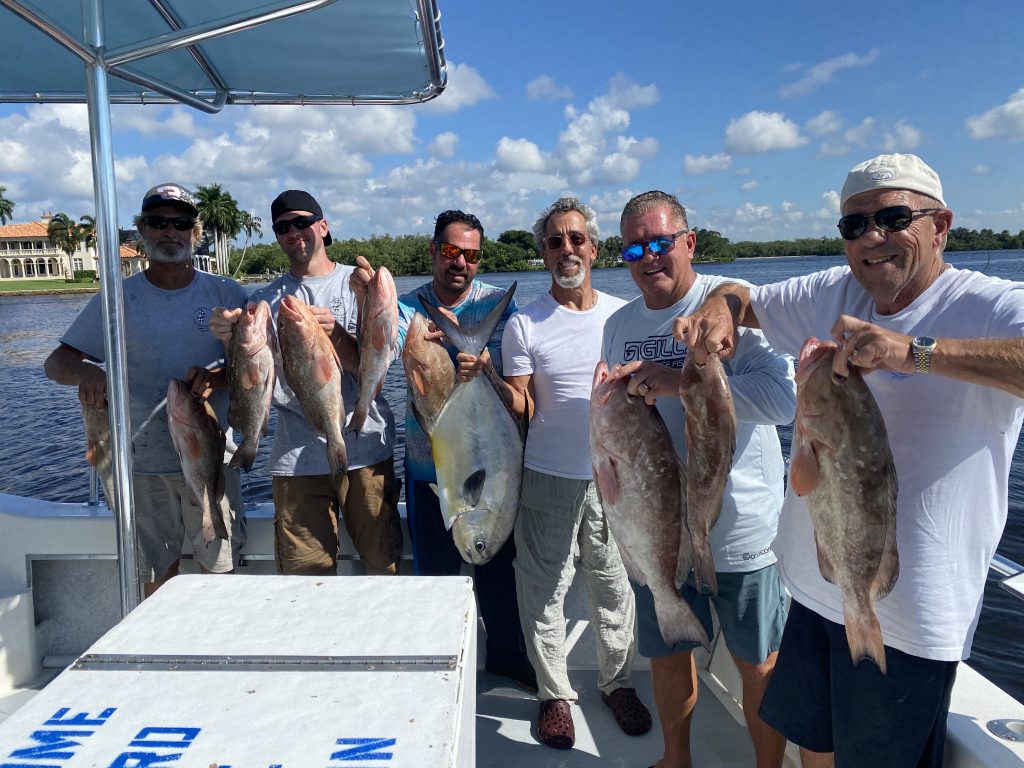
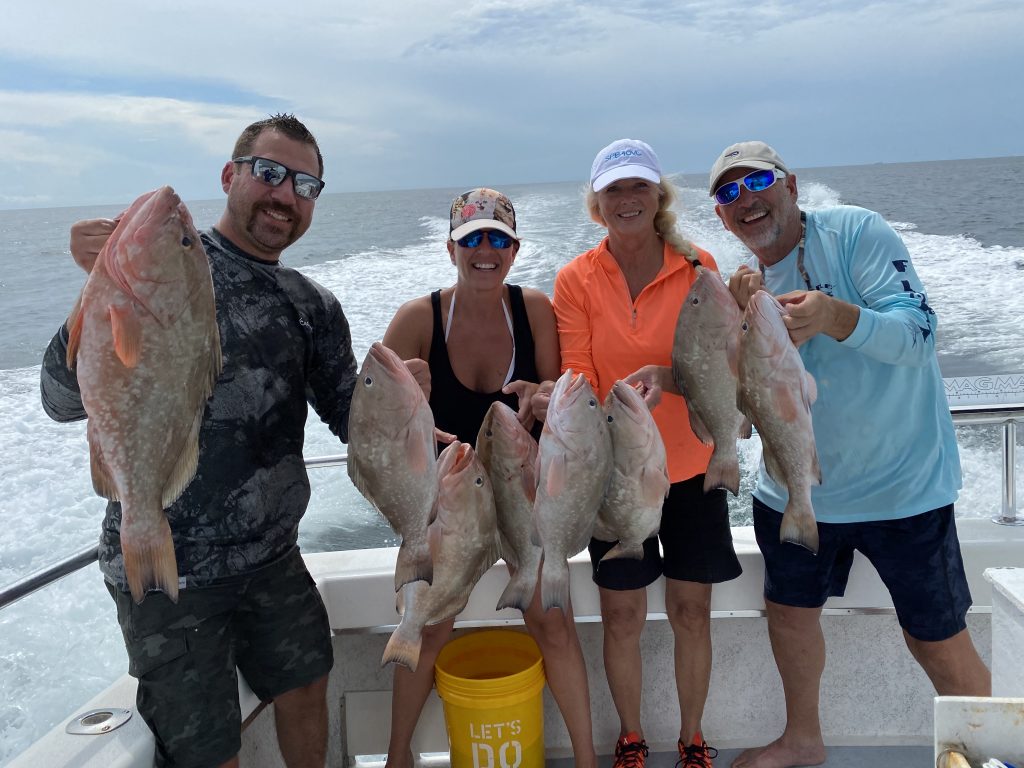
Deep sea fishing is different from casting off a beach or working a freshwater lake. You are covering more water, fishing deeper structure, and dealing with changing conditions that can shift the bite in a hurry. The upside is that offshore fishing can be incredibly productive and exciting, especially in the Gulf waters off Naples and Marco Island, where species like grouper, snapper, kingfish, amberjack, permit, and even goliath grouper can turn an ordinary vacation day into the story everyone talks about at dinner.
Deep sea fishing tips for beginners start before the boat leaves
The biggest mistake first-timers make is thinking the trip starts when the engines fire up. In reality, your success often begins the night before. Sleep matters more than most people expect. So does hydration. If you show up tired, dehydrated, and running on coffee alone, even calm seas can feel a lot less friendly.
Eat a light breakfast with some protein and avoid anything greasy or overly heavy. That advice may sound simple, but it makes a real difference once you are a few miles offshore. Motion sickness does not care whether you are tough, athletic, or excited. If you think you might be prone to it, take precautions early instead of waiting until you feel bad. Once nausea sets in, it is harder to recover.
Clothing is another place where beginners either overthink it or ignore it completely. Offshore comfort comes from planning for sun, spray, and changing wind. Lightweight long sleeves, non-slip shoes, polarized sunglasses, and a hat usually make more sense than bulky gear. Even in warm Florida weather, a light layer can feel good on an early run out.
Listen to the captain and mate early
If you want one tip that improves your odds immediately, this is it. Pay attention during the first few minutes of instruction. An experienced captain and first mate are not giving a speech to fill time. They are telling you exactly how to avoid the most common beginner mistakes.
That includes where to stand, when to reel, how to hold the rod, and what to do when a fish changes direction. On a private charter, the crew is there to make the day easier, safer, and more productive. You do not need to show up knowing the difference between every rig, reel, and species. You just need to be coachable.
This is especially true when the bite is active. Offshore fishing can go from quiet to fast in seconds. If a school moves through or a fish hits near structure, the crew may give quick instructions with some urgency. That is not pressure. That is opportunity.
Use the right amount of effort
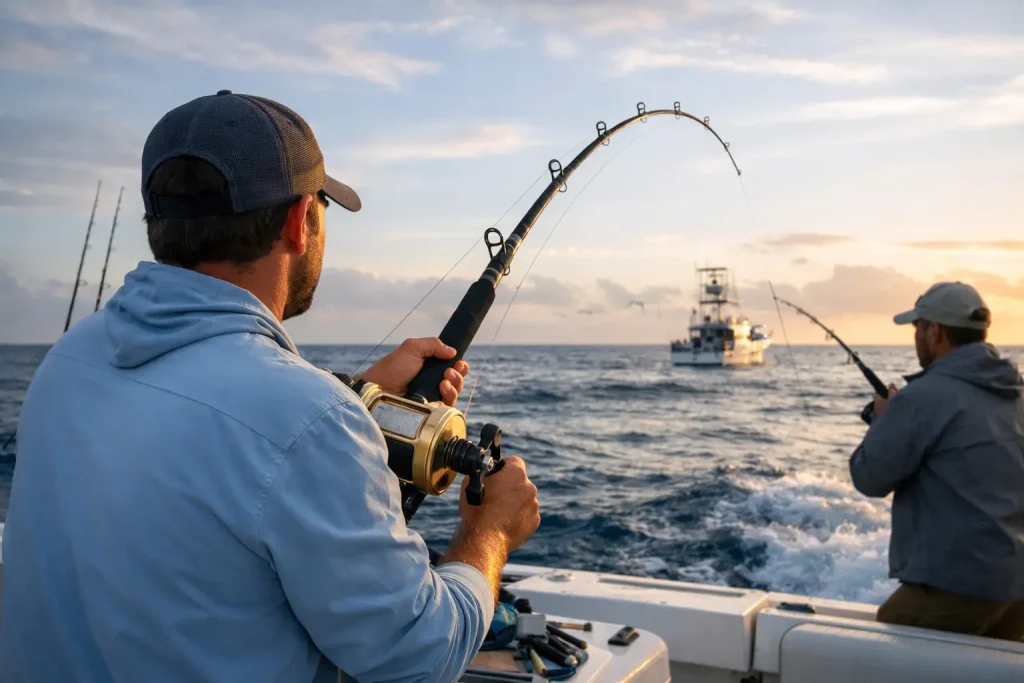
One of the best deep sea fishing tips for beginners is to stop trying to muscle everything. New anglers often grip the rod too tightly, reel too fast, or set the hook harder than needed. Offshore gear is designed to do a lot of the work for you.
A smoother approach usually catches more fish. Let the rod load properly. Keep steady pressure. Reel with purpose, not panic. If the mate tells you to lift and reel, do exactly that. If they say not to yank, believe them. Certain species hit hard and run, while others require patience around bottom structure. There is no single move that works for every fish.
The same goes for fighting time. Some beginners think landing a fish quickly is always the goal. Sometimes it is. Other times, rushing leads to pulled hooks or lost fish near the boat. A calm, steady fight beats a dramatic one almost every time.
Ask questions sooner, not later
Good crews would rather answer a basic question early than fix a preventable problem later. If you are unsure whether you are on the bottom, whether your bait is spinning, or whether that tap was actually a bite, say something.
There is no prize for pretending to know. In fact, beginners who ask good questions often have better trips because they learn faster and make adjustments sooner. Offshore fishing has a rhythm, and once you understand what a real bite feels like, how the current affects your line, and when to reel versus wait, the whole day gets more fun.
If you are bringing kids or a mixed-experience group, this matters even more. A charter should feel welcoming, not intimidating. The right crew keeps the day moving while helping everyone stay involved, from the most experienced angler to the family member who has never touched a rod before.
Know that offshore fishing changes by the day
Fish do not read the forecast, and they do not follow a script. That is part of what makes offshore trips exciting. It is also why expectations need to be realistic. Productive fishing does not always mean nonstop action from the first stop to the last. Sometimes it means adjusting location, changing bait presentation, or shifting target species based on conditions.
Wind, current, water clarity, temperature, and season all influence what the crew decides to do. A half-day trip may focus on keeping lines active and maximizing opportunity close to productive areas. A full-day trip often allows more flexibility to run farther, work multiple spots, and target a wider range of fish. Neither is automatically better. It depends on your group, your budget, your attention span, and what kind of day you want on the water.
For beginners, that flexibility is a big advantage of going with an experienced charter rather than trying to figure it out alone. Local knowledge saves time and improves odds.
Comfort is not a small detail
A lot of first-time anglers focus only on catching fish. Fair enough. But comfort plays a bigger role in the overall experience than most people realize. If you are sunburned, overheated, cramped, or dealing with rough footing all day, your energy drops and so does your patience.
That is why the boat matters. On a professionally run offshore charter, comfort features are not just extras. A shaded deck, restroom, cabin space, and room to move make the trip easier for families, larger groups, and anyone spending several hours offshore. When people are comfortable, they stay engaged longer, fish better, and enjoy the day more.
This is one reason many first-timers are pleasantly surprised on a larger sportfishing vessel. It feels less like enduring the ocean and more like settling in for a real outing.
Focus on technique, not luck
Yes, there is always some luck in fishing. But beginners often underestimate how much technique affects results. Small details matter offshore. Keeping your line straight, staying in contact with the bait, reacting quickly to a bite, and following instructions at the rail can all change whether a fish gets boated or gets away.
Bottom fishing, for example, is often more subtle than people expect. Not every bite feels like a rod-bending slam. Sometimes it starts as a faint tap or extra weight. Trolling can look easier from the outside, but even then, reacting correctly after the strike matters. The crew sets the spread and puts anglers in position, but staying calm during the hookup is your part of the job.
That is good news for beginners, because technique improves fast. One or two fish can teach you a lot in a short time.
Bring the right attitude for your first trip
If you show up expecting perfection, your day can feel shorter than it should. If you show up ready to learn, enjoy the ride, and celebrate every good moment, offshore fishing tends to reward that mindset. Maybe you box snapper for dinner. Maybe someone hooks a bruiser that takes the whole boat by surprise. Maybe the best part is watching your kids light up when a rod doubles over.
The point is not to perform. The point is to have a real offshore experience with people who know how to put you in the right place and guide you through it. That is where a seasoned charter makes all the difference. Companies like A&B Charters have built their reputation on giving first-timers and experienced anglers alike a day that feels exciting, comfortable, and well run from start to finish.
A few practical deep sea fishing tips for beginners to remember
Arrive early enough that you are not rushed. Take motion sickness prevention before departure if you need it, not after. Wear sun protection you can move in. Keep one ear on the crew at all times, especially when lines are going down or fish are coming up. And when something feels different on the line, say so.
Most of all, remember that your first trip offshore is supposed to be fun. You do not need years of experience or a boat of your own to enjoy productive Gulf fishing. You need a solid crew, a comfortable platform, and the willingness to learn a little as the day unfolds.
The best first offshore trip leaves you tired, a little salty, and already thinking about when you can get back out there.
Discover more from Naples Fishing Charters | Deep Sea Fishing
Subscribe to get the latest posts sent to your email.